#1 Route Optimization Software
Save up to 40% on Every Service Trip
Minimize travel distance and time with fully optimized route planning. Get your technician to the customer destination quickly and efficiently. Reduce cost by saving money on fuel maintenance.

No Credit Card Required
Instant Access
Easy Upgrade
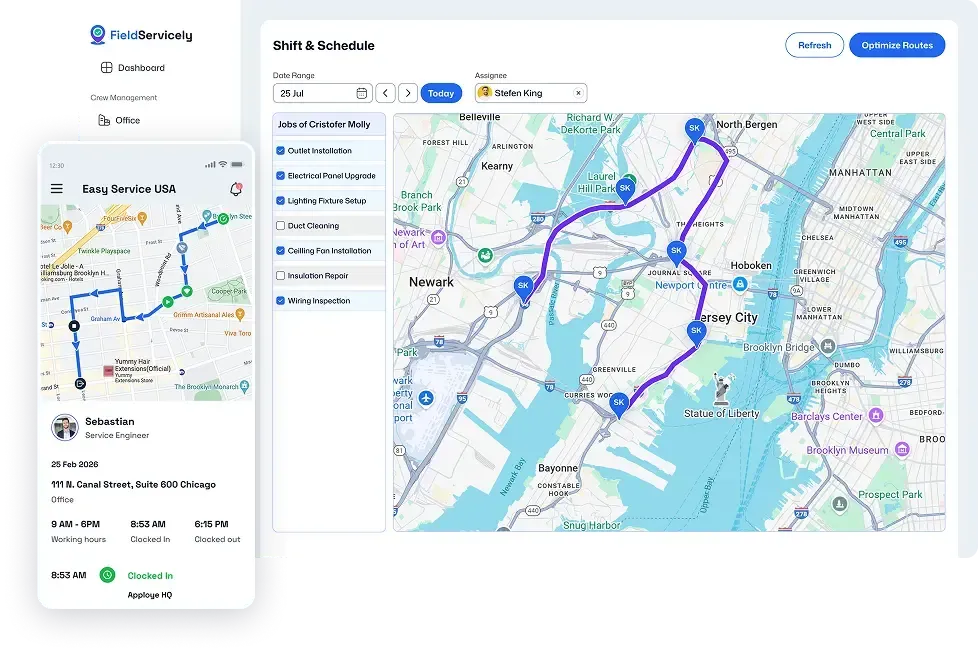
DESIGNED TO CUT OPERATIONAL COST
Route optimization and planning software finds the most efficient route to the service destination.

Remi K.
Operations Manager

FieldServicely's route optimization has been a game-changer for our team. It's easy to use and has cut down our travel time between jobs by around 20%. We've really enjoyed the efficiency it brings to our daily operations.
Eliminate Route Chaos and Hit Every Time Window
Manual route planning wastes miles and leads to late arrivals when you're balancing time windows, service durations, territories, and technician schedules. FieldServicely's automatic route optimization creates the best multi-stop route plan upfront, so teams start with a clear, efficient schedule.
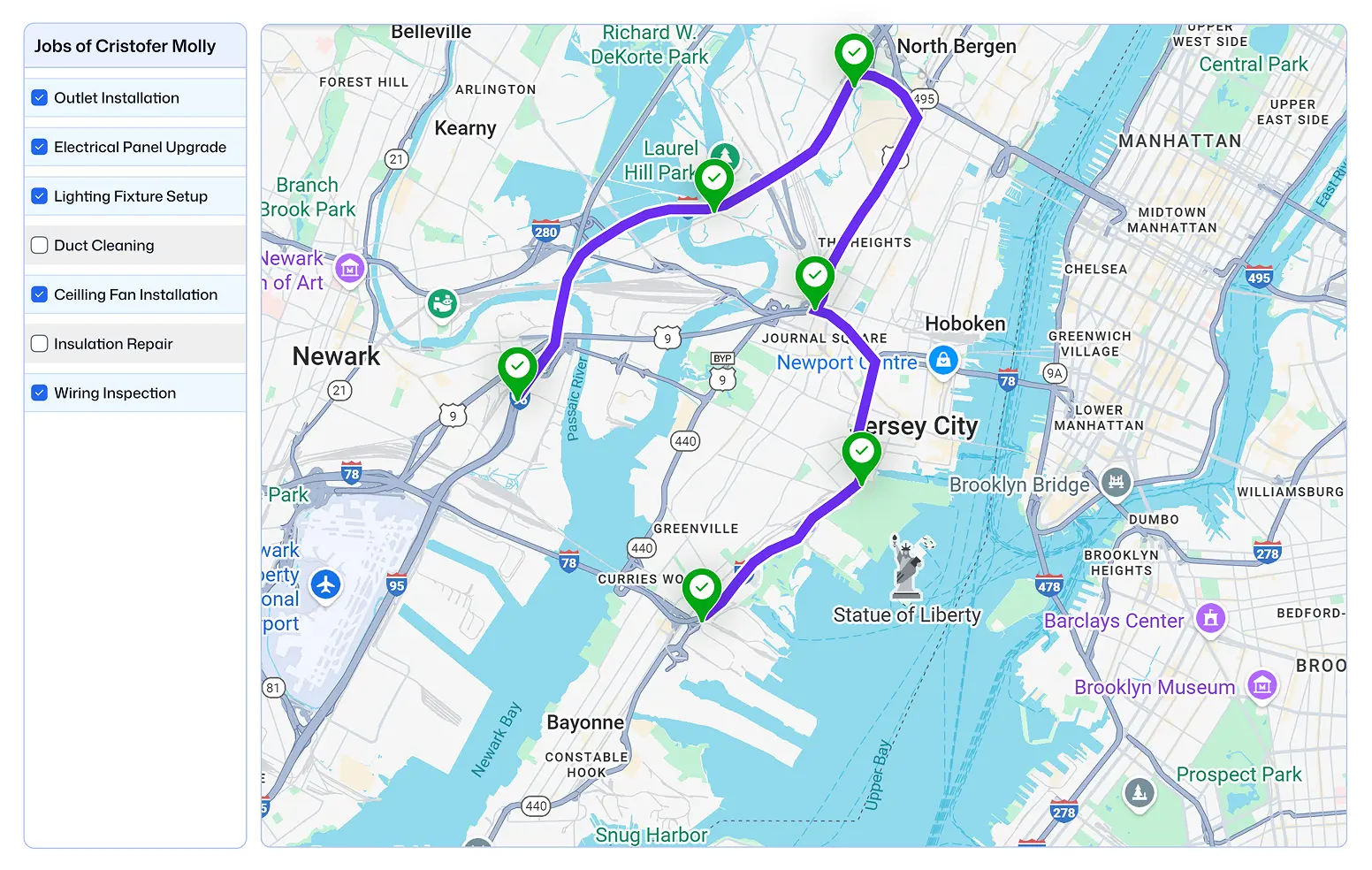
FieldServicely Brings Cost-Saving Route Optimization for Your Field Service Team
Increase Efficiency
Complete More Jobs Successfully in a Day
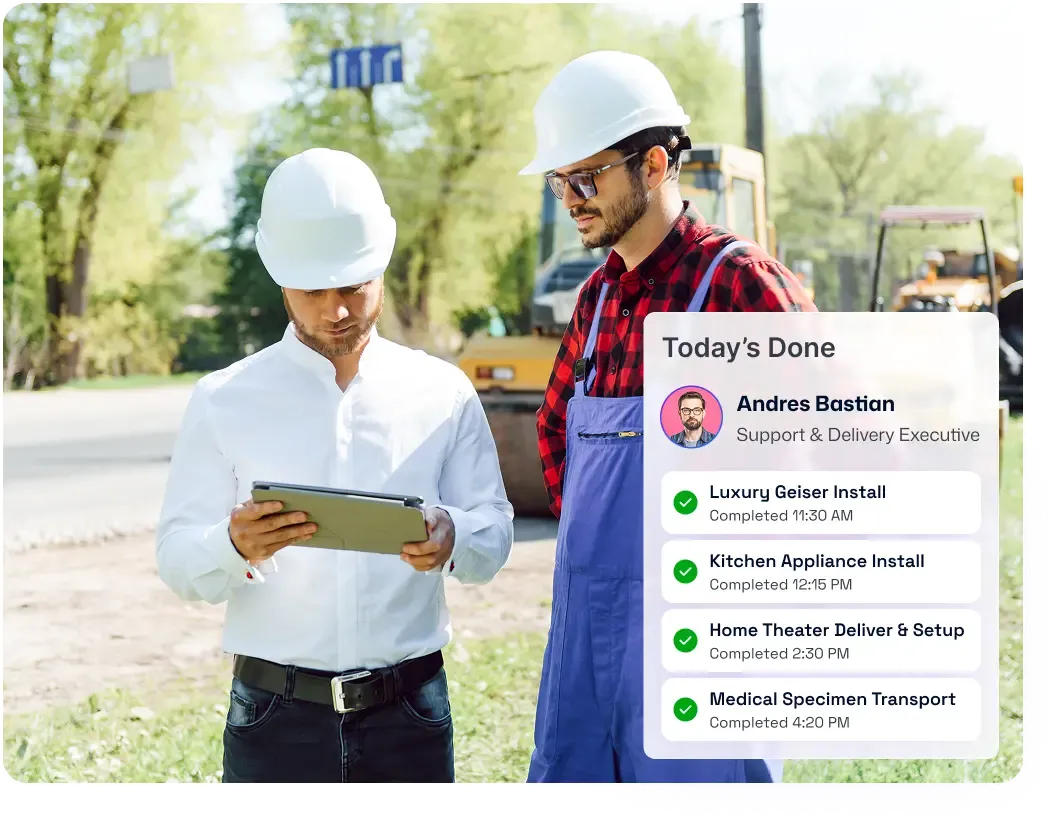
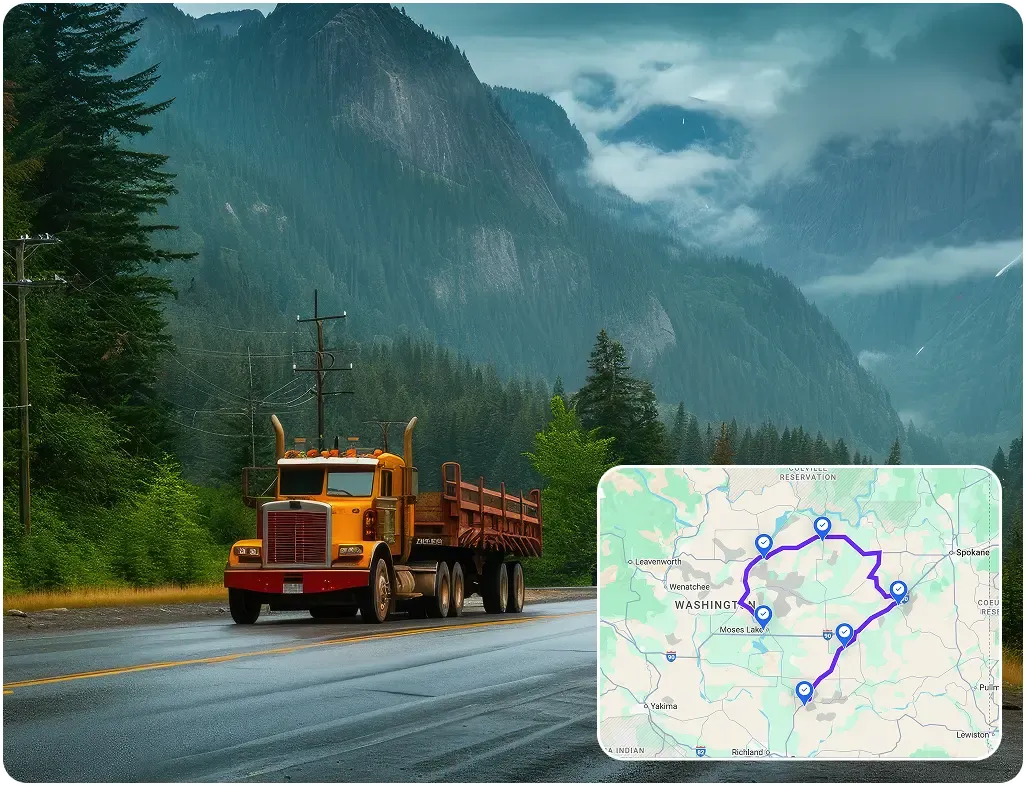
Cut time on the road so that your crews can stay longer on the site. Route planning software algorithms group jobs by location and recommend the best route sequence.
Save on Gas to Lower Cost
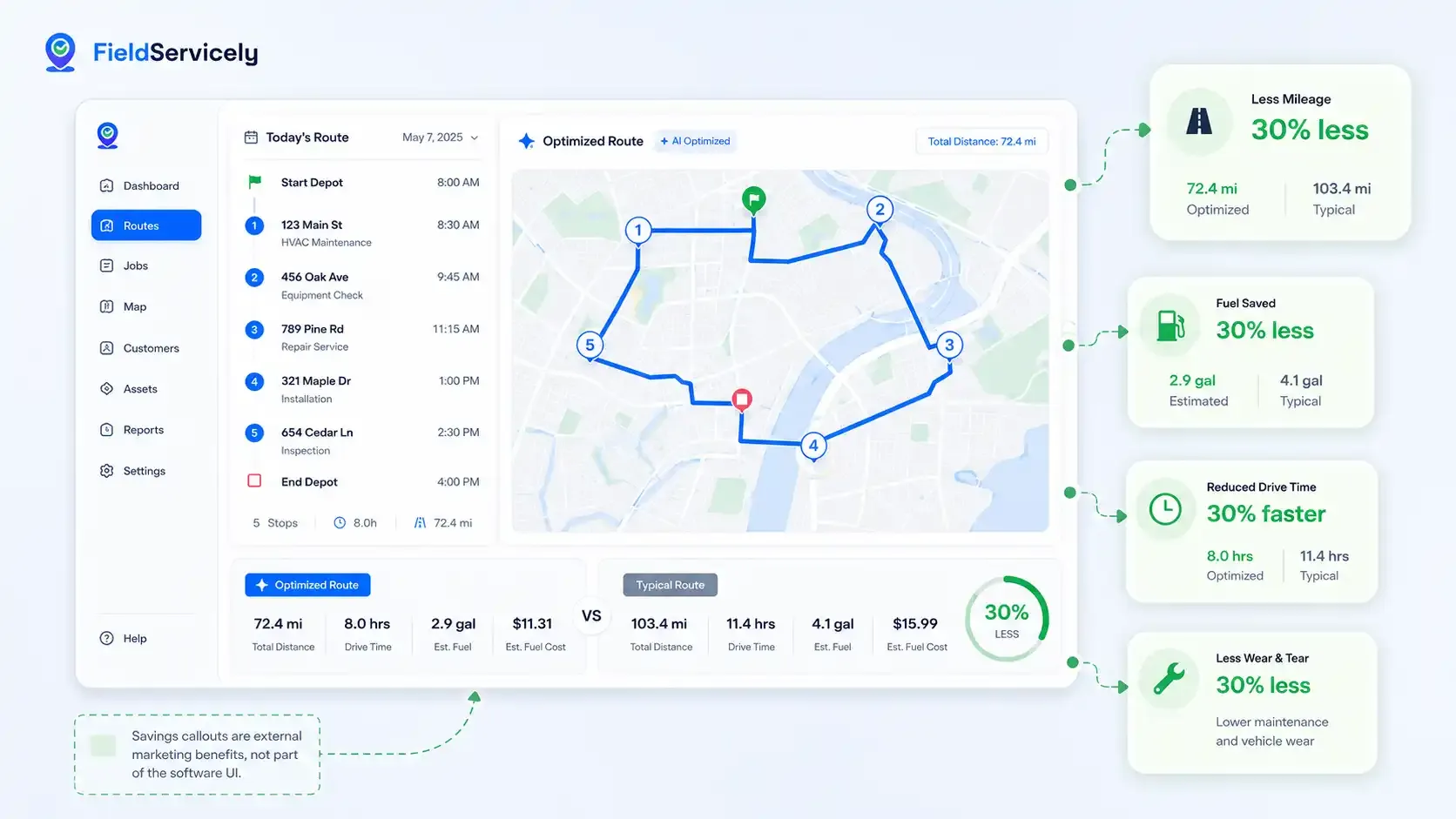
Route Planning Software Shortens Mileage by 30%
Put an end to high fuel bills and vehicle maintenance costs. Use the smart scheduling system to create the shortest and fastest daily routes.
Live Location Tracking
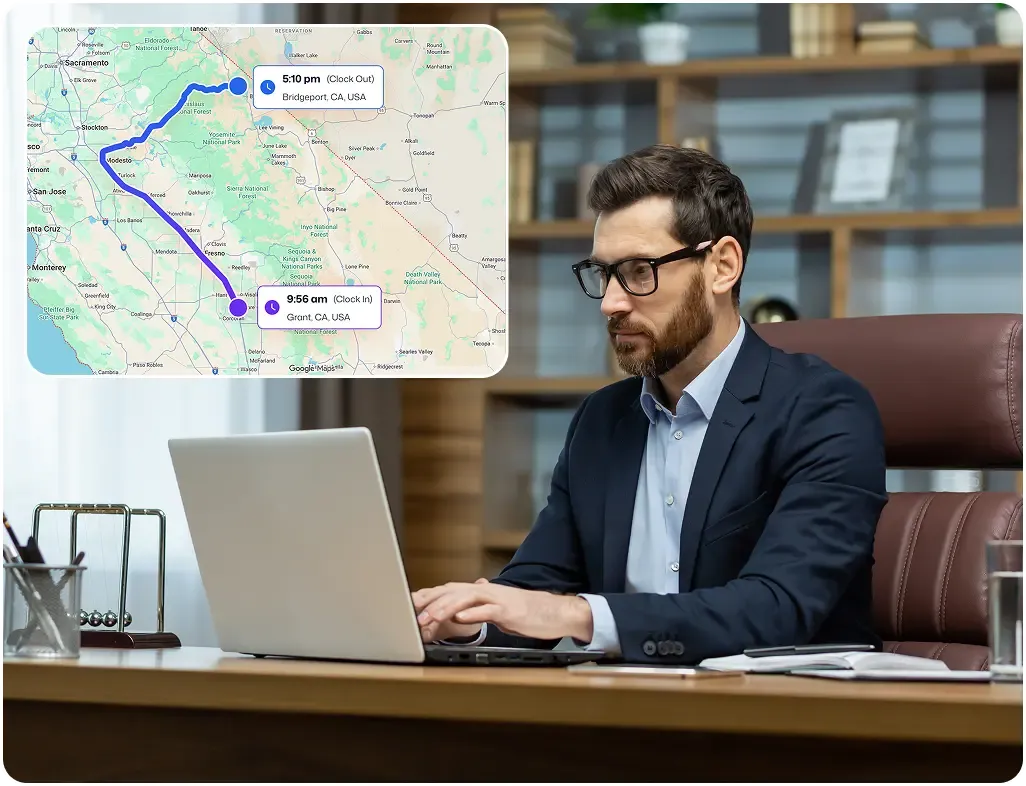
Get Operational Insights with Real-Time Route Tracking
Check the whereabouts of your field team from the map view. Get the peace of mind with live updates on what’s done, who’s onboard, and who’s late.
Birds Eye View on Operations
Dispatch Teams Where Necessary with Route Mapping
Assign emergency jobs to technicians who are currently closest to the neighborhood. Combine route mapping with live view to efficiently handle incoming jobs.
Reduce Carbon Footprint
Deliver Sustainable Service with Smarter Routes
Remove extra miles and idle time with an optimized route sequence, so vehicles use less fuel on every route and produce fewer emissions.
Customer stories
How Teams Like Yours are "Winning"

Mid-market
“We needed a system that gave us control and real-time insight into what was happening on the ground, without chasing people or spreadsheets.”


See FieldServicely in Action
Just schedule a demo and see how FieldServicely makes field operations and job management smarter, faster, and easier.
Route Optimizer & Planner
Auto-generate the most efficient multi-stop route based on real-time data.
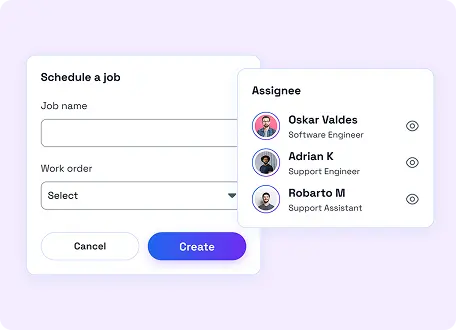
Scheduling
Assign tasks to open calendar slots to get the right tech to the right job.
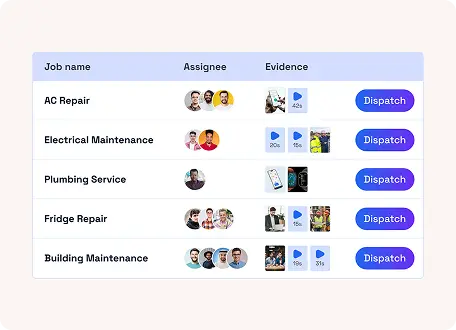
Dispatching
Send job details directly to drivers' mobile apps for instant schedule updates.
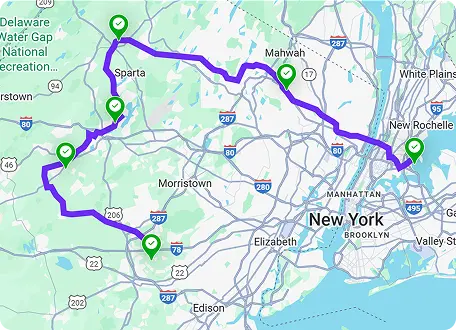
GPS Tracking
Monitor live driver locations on an interactive map to verify routes and ETAs.
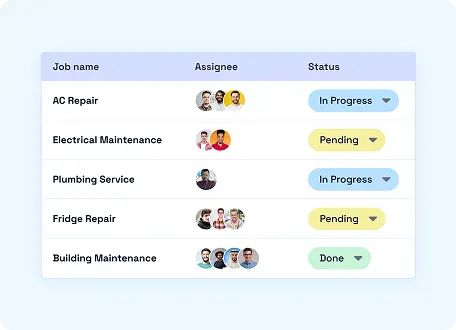
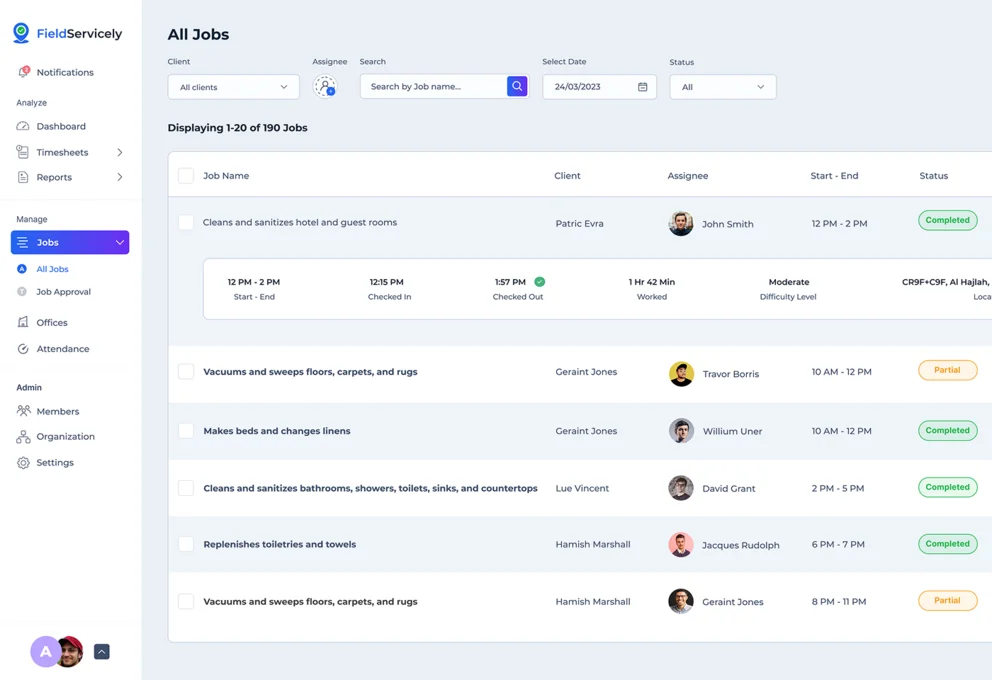
Job Management
Collect Proof of Service with photos, notes, and e-signatures from the job site.
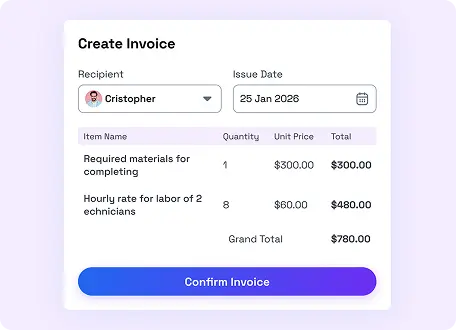
Invoicing
Automatically convert completed job data into professional invoices.
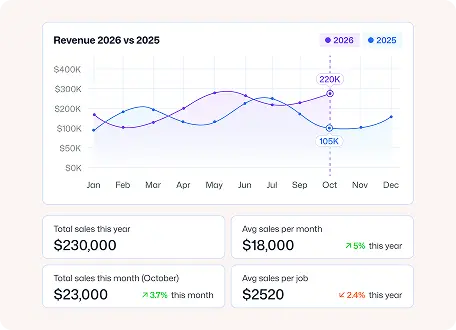
Analytics & Reporting
Track key performance indicators (KPIs) to find areas for improving efficiency.
How it Works
Start Using Route Optimization App in 3 Simple Steps
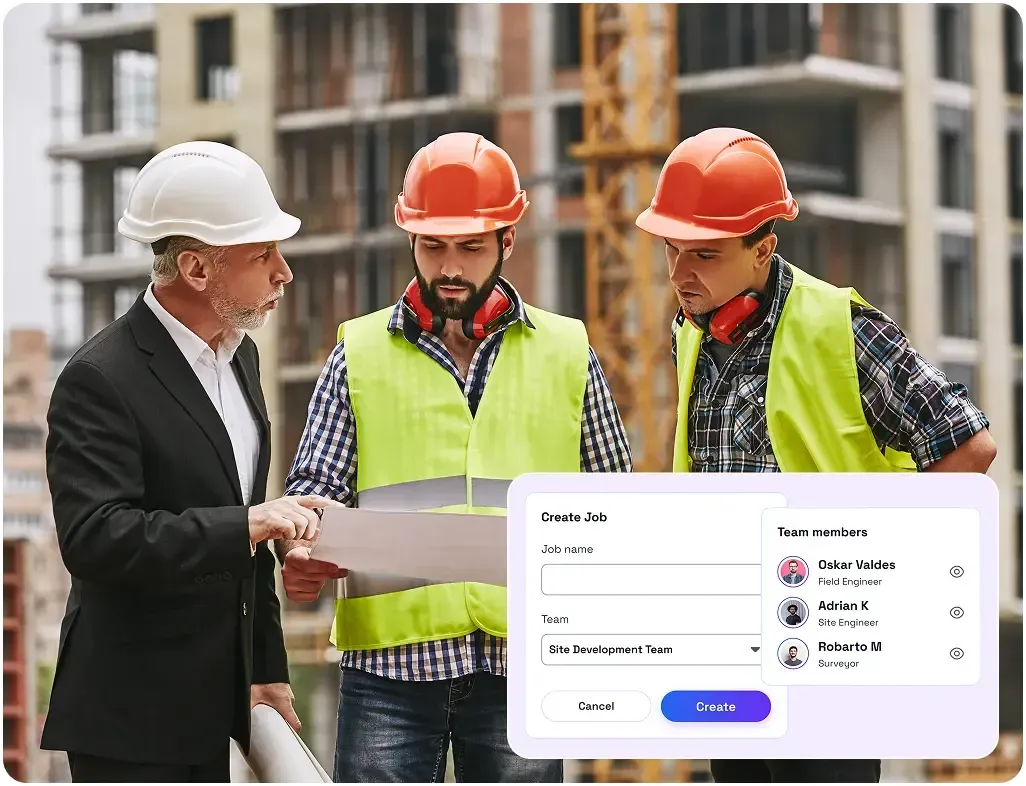
Invite Employees & Assign Jobs
Send email invites to your crew and delegate tasks with location.
Start Optimizing Route
Go to the Route Optimization tab from the dashboard. Click on Optimize Routes, and you’re all set!

Follow the Most Efficient Route Sequence to Reduce Transportation Cost

Ryan Z.
Service Manager
I was losing 30% more money on the road just to get my tech to the destination. Thanks to FieldServicely, my technicians are now spending less time on the road. I can also fit more jobs into a single day, which directly impacts our revenue by 15%.
FAQS
Frequently Asked Questions
Can FieldServicely route planning and optimization software integrate with GPS?
Yes. FieldServicely can integrate with GPS, allowing your team to follow optimized routes with accurate location tracking. This makes dispatching simpler, reduces wrong turns and delays, and helps you stay on time with less effort.
Is there a mobile version of the FieldServicely route optimization app for technicians?
Yes, FieldServicely has a mobile app for the technicians. They can clock in and out on the go, send proof of work to managers, and receive real-time updates with notifications.
How much does FieldServicely route optimization software cost?
The Standard plan costs $9/user/month. And the Elite plan comes at $12/user/month. It also offers a free version that is perfect for small teams with basic functionalities like GPS tracking, scheduling, timesheets, payroll, and reporting.
Can I use FieldServicely route planning and optimization software for trucks?
Yes, you can use FieldServicely for planning and optimizing routes for trucks. However, service-based businesses can take full advantage of this software as it offers tons of field service management features.
Do I need to buy special hardware for route optimization?
No, you do not need any special hardware. FieldServicely route optimization solutions are cloud-based and do not require expensive hardware. Your dispatchers can use the web-based route manager on any office computer. Meanwhile, your drivers can simply download a route optimization app on their existing smartphones.
How many stops can I plan at once with FieldServicely route management software?
This depends entirely on the software you choose. Basic or free tools often limit you to 10 or 20 stops per route. However, premium multi-route planner tools can handle hundreds or even thousands of stops simultaneously. If you have a high volume of deliveries, investing in robust transportation route optimization tools is essential for handling that scale efficiently.
Is FieldServicely's route optimization software only for delivery companies?
No, absolutely not. While FieldServicely is perfect for delivery fleets, it is purpose-built for any business with a mobile workforce. This includes field service providers (HVAC, plumbing, cleaning), sales representatives, and inspection teams.
Can the FieldServicely route optimization app replace manual dispatch calls?
Yes, absolutely. The app eliminates the need for manual dispatch calls by allowing you to push job details directly to drivers' mobile apps for instant schedule updates.
Does Google Maps optimize routes for delivery?
Technically, Google Maps is a navigation tool, not a true delivery route planner. It allows you to add multiple stops, but it does not automatically reorder them for the fastest path. If you enter stops in a random order, Google Maps will simply guide you from one to the next in that exact sequence. For real efficiency, you need route software that figures out the best order automatically.
The Ultimate Guide to Route Optimization Software
The Ultimate Guide to Route Optimization Software
|
Fieldservicely
What Is Route Optimization?
Route optimization is the process of finding the most efficient path for your drivers. It is not just about finding the shortest distance between two points. Instead, it looks at traffic, truck space, and driver schedules to make the best plan.
Many people confuse this with simple navigation, but it is much more powerful. A basic route planner just shows how to get from A to B. However, advanced route optimization software calculates thousands of possibilities in seconds. As a result, your drivers can complete more stops in less time with less stress.
Why You Need Route Planning and Optimization Software
Eliminating Manual Planning Chaos
Planning daily routes manually is a slow and painful process for any industry. Whether you schedule service calls or deliveries, human errors happen easily. Route planning and optimization software solves this by automating the complex math for you. As a result, you save hours of stressful office work every single week.
As you know, attempting to organize a mobile workforce with just a map and a spreadsheet is inefficient. You might accidentally send a technician across town during rush hour. Automated route planning eliminates these costly mistakes instantly. It calculates thousands of possibilities to find the perfect path for your entire team.
Reducing Operational Costs
Route optimization software drastically reduces the miles your team drives daily. Fewer miles mean less money spent on fuel and vehicle maintenance. By using the best route optimization software, you keep your operational costs as low as possible.
The savings add up quickly over weeks and months for any fleet size. A reduction of just 10% in daily mileage can save thousands of dollars a year. Fleet route optimization turns these potential losses into profit.
Improving Customer Experience
Customers today expect you to arrive exactly when you say you will. Route management software calculates precise arrival times for appointments, service calls, or drop-offs. This allows you to give accurate time windows and keep your clients happy. Reliable route optimization solutions build trust and encourage repeat business.
Furthermore, efficient routing means your team spends less time driving and more time working. Route tracking helps you update customers if a driver is running late due to traffic. This proactive communication prevents frustration and negative reviews. Satisfied customers are the foundation of your business growth.
Increasing Team Productivity
An efficient route allows your team to complete more work in less time. A multi-route planner helps technicians, sales reps, or drivers fit one extra stop into their day. Such a boost in productivity increases your revenue without increasing your staff.
Additionally, using fair scheduling delivery route optimization software prevents employee burnout. Your team appreciates knowing their workload is balanced and achievable. When you use fleet route optimization software to care for your staff, they stay with your company longer. High retention rates save you the massive cost of hiring new people.
Key Features of Top Route Optimization Solutions
When you evaluate different route optimization solutions, it is critical to look beyond basic mapping. The best route optimization software acts as a central brain for your logistics. It connects your drivers, dispatchers, and customers in one seamless loop.
Below are the essential features that every top-tier platform should offer.
1. Automated Route Planning and Optimization
The core value of this software lies in its ability to process complex data instantly. You simply upload your orders, and the automated route planning engine goes to work. Then it finds the best route by considering things like vehicle size, delivery windows, and driver breaks.
2. Real-Time GPS Fleet Tracking
GPS fleet tracking route optimization features let you see every vehicle’s exact location on a live map. This is not just about monitoring driver behavior; it is about operational control.
3. Dynamic Rerouting Capabilities
Top-tier delivery route optimization software includes dynamic rerouting to handle unexpected situations like traffic jams & accidents. If a road closes or a new rush order comes in, the system instantly recalculates the path for the driver.
4. Electronic Proof of Delivery (ePOD)
Modern route planning software has an app that lets drivers get digital proof of delivery. They can get signatures, take photos, or scan barcodes on their phones. This proof uploads instantly to your system. So you're protected if someone claims a missed delivery.
5. Automated Customer Notifications
Advanced route planner software sends automated text or email updates to your clients. These messages include precise Estimated Time of Arrival (ETA) updates and live tracking links. When customers know the exact time their delivery will arrive, they're more likely to be at home. This will result in fewer failed deliveries.
6. Driver and Fleet Analytics
Fleet route optimization software provides deep insights into performance. You can view reports on fuel usage, driver idle time, and on-time delivery rates. Looking at this data, you will understand who (the driver) needs more training or which routes always cause problems.
The Basics of Scheduling and Fleet Route Optimization
Mastering the Timeline with Scheduling Software
Routing tells you where to go, but scheduling tells you when to arrive. A good route management software handles both scheduling and route planning in one place. It ensures that your plan is not just geographically short but also time-efficient. So you can avoid the chaos of missed appointments and late arrivals.
A robust schedule also considers every constraint before the driver even starts the engine. The software analyzes strict customer time windows, driver shifts, and mandatory break times.
For example, if a customer needs a package between 9 AM and 11 AM, the route planning optimization engine prioritizes that stop.
Maximizing Asset Utilization
Fleet route optimization is about using your vehicles as effectively as possible. You should not send a large truck to deliver a small envelope. This is why advanced fleet route optimization software matches the size of the order to the capacity of the vehicle.
Furthermore, this technology helps you balance the workload across your entire team. It prevents one driver from working overtime while another driver sits idle. By using transportation route optimization software, you ensure every asset pays for itself.
Handling Complex Driver Constraints
Managing a human workforce requires more than just connecting dots on a map. Route management software allows you to input specific driver skills and certifications. For example, if a delivery needs special skills, the system picks the right driver for you. This automated matching saves dispatchers hours of manual cross-checking.
Additionally, the app tracks driver availability and vacation time. It automatically adjusts the automated route planning to account for sick days or planned time off. Therefore, your operations run smoothly without last-minute scrambling.
Predictive Planning and Long-Term Strategy
The best route optimization solutions can look into the future. They analyze historical data to predict busy seasons and potential bottlenecks. You can run "what-if" scenarios to see if you need to hire more drivers next month. This proactive approach turns route planning software into a strategic business tool.
The Role of Mobile Apps in Route Management
A dedicated route optimization app is the vital link between your office and your drivers. So they can receive their daily schedules instantly on their own smartphones or tablets.
Seamless Navigation and Guidance
The mobile app acts as an intelligent delivery route planner. Unlike regular apps, it keeps drivers on the exact path the route mapping software plans. As a result, your team avoids unnecessary detours and strictly follows the most efficient route sequence.
Real-Time Communication and Updates
Conditions on the road change rapidly throughout the day. If a dispatcher modifies a schedule, the route management software updates the driver's app immediately. Thanks to this feature, the driver sees the new delivery route details without a distracting phone call.
Digital Proof of Delivery
The delivery route software allows drivers to capture customer signatures and photos right at the doorstep. This digital evidence is instantly uploaded to your central route tracking system. As a result, you have a permanent, indisputable record of every successful drop-off.
Streamlined Vehicle Inspections
Drivers can do pre-trip safety checks right in the route software app. They can log defects or maintenance needs before they become expensive mechanical failures.
Empowering the Driver
Field teams can view notes about specific delivery instructions, gate codes, or customer preferences through the mobile application. This reduces their stress and improves their interaction with your customers.
A happy driver equipped with the best route planning software is your company’s best ambassador.
Who Needs a Route Planning and Optimization Software
HVAC and Plumbing Professionals
HVAC technicians and plumbers often face urgent, unpredictable calls. This is why the route planning software lets you add urgent jobs to your schedule right away. This flexibility ensures you never miss a high-value service due to poor planning. So your response times improve, and customers give positive reviews.
Again, these trades often require specific parts or equipment for different jobs. A route manager helps dispatchers assign the right technician with the right vehicle to the job. This prevents the embarrassment of arriving without the necessary tools.
Electricians and Handyman Services
For electricians and handymen, time spent driving is money lost. A route planning and optimization software helps you cluster jobs by location. As a result, the travel time reduces significantly.
Also, this allows you to fit one or two extra service calls every day. At the end of the month, total revenue increases due to this improved efficiency.
That said, using a route optimization app also keeps independent workers organized. They can view job details, customer notes, and navigation all in one place.
Cleaning and Maid Services
Cleaning companies rely heavily on recurring appointments and consistent schedules. A multi-route planner helps you manage these regular visits effortlessly across different crews. You can create fixed routes for Mondays, Tuesdays, and so on, with just a few clicks.
Again, the fleet route optimization software ensures that your crews do not cross paths or drive past each other. It assigns specific zones to specific teams to keep fuel costs low.
Pest Control and Lawn Care
Lawn care and pest control businesses often manage hundreds of stops in a single week. Route mapping tools help you plan the most direct path to avoid backtracking. The software creates dense routes where one crew handles an entire neighborhood at once. This density is the absolute key to profitability in these industries.
Furthermore, transportation route optimization helps manage the heavy equipment these businesses use. It ensures that trucks with trailers take safe and accessible roads. By using truck route optimization software, you protect your equipment and ensure your crews arrive safely.
E-commerce and Retail Delivery
Online shopping has exploded, and customers expect fast shipping. This is why, for local deliveries, you need route optimization software. It allows small shops to compete with giants like Amazon by offering precise delivery windows.
Retailers also face the challenge of "last-mile" delivery costs. Route optimization solutions reduce the distance driven between stops in dense neighborhoods. This keeps fuel costs down and protects your profit margins on every sale.
Logistics and Trucking Companies
Heavy freight transport has very specific legal and safety needs. Truck route planning software is critical for keeping large vehicles on safe roads. It automatically avoids low bridges, weight-restricted roads, and residential zones that ban trucks. This prevents costly fines and dangerous situations for your drivers.
For these companies, fuel efficiency is the top priority. Here, the fleet route optimization analyzes routes to find the most fuel-efficient paths. It also helps managers monitor driver behavior through GPS fleet tracking route optimization.
How to Choose the Best Route Optimization Software
Selecting the best route optimization software is a critical decision for your business. The right tool can skyrocket your efficiency, while the wrong one can cause frustration.
Therefore, you must evaluate your options carefully before committing to a purchase.
Here is a step-by-step guide to finding the perfect match for your needs.
1. Assess Your Specific Fleet Requirements
Every business has unique logistics challenges. If you manage heavy vehicles, you need truck route software to avoid low bridges and weight limits.
For example, standard route planners work for pizza delivery, but they're risky for freight trucks.
2. Prioritize Ease of Use for Drivers
Look for route management software with an easy-to-use interface. A user-friendly design ensures your team can adopt it quickly.
3. Check for Seamless Integrations
A Good route optimization solution needs to "talk" to your other systems, like the CRM or online store. As a result, it will import orders automatically from platforms like Shopify or Excel. This integration eliminates manual data entry and prevents costly typing errors.
4. Evaluate Scalability and Growth
Ideal fleet route optimization software should be scalable as your business grows. For starters, you can go with the free version, but make sure the company offers paid upgrades later. You do not want to be forced to switch platforms just because you added a new van.
5. Test the Customer Support
Technology can sometimes fail. So you need to handle the situation as fast as possible. Before buying, test the responsiveness of the route management software provider. Send them a question and see how quickly they reply. Good customer support keeps your route planning running smoothly every day.
6. Analyze the Pricing Structure
Finally, look closely at how the software charges you. Some route planner software charges per driver, while others charge per stop. Compare the total monthly cost against the fuel and time savings you expect.
Free vs. Paid Route Optimization Software: Which is Right for You?
Many new businesses start by looking for the best route optimization software free of charge. These basic tools are often sufficient for a single driver or a very small fleet. However, as your delivery volume grows, you will likely hit a wall with free versions.
In contrast, paid route software gives you advanced features to grow your business effectively. They offer capabilities like live route tracking and complex multi-route planner functions.
Implementation Steps: Getting Route Optimization Working Fast
Adopting new technology can feel overwhelming. However, most modern route optimization solutions are designed for quick setup.
Follow these proven steps to ensure a smooth transition for your business.
Step 1: Clean and Organize Your Data
Before you even open the software, you need accurate data. So, gather all your customer addresses, delivery time windows, and contact details into a clean spreadsheet. Remove duplicate entries and fix any incomplete addresses now to avoid errors later.
Next, audit your vehicle and driver information. If you use truck route optimization software, collect vehicle height and weight data as well.
Step 2: Configure Your Fleet Settings
Now, log in to your route manager software and input your constraints. Define your service times. For example, input information like how long a driver spends at each stop. Be realistic; if a delivery takes 15 minutes, do not set it to 5 minutes. Accurate settings help the software create routes your drivers can actually finish.
You should also set up your start and end locations. For instance, does every driver start from the warehouse, or do some start from home?
Step 3: Integrate Your Orders
The best route planning software allows you to import orders directly from Excel, CSV files, or your online store. If you have an IT team, look for API integrations to automatically connect your CRM.
Step 4: Train Your Drivers on the App
Your drivers are the most important part of this equation. Get them to download the route optimization app on their smartphones or tablets. Hold a short training session to show them how to view their stops and capture proof of delivery.
Explain the benefits to them clearly. Show them how automated route planning will finish their days earlier and reduce their stress. When drivers understand that the tool helps them, they will welcome the new change.
Step 5: Run a Pilot Program
Do not change everything overnight. Pick a small group of field technicians or a specific territory to test the delivery route optimization software first. This test run lets you catch setup mistakes without messing up your whole business. Monitor the route tracking closely during this week to see if the routes work in the real world.
Step 6: Review and Refine
After your pilot week, look at the data. Use your reports to compare planned routes with what actually happened.
Did the drivers arrive on time?
Was the vehicle capacity utilized effectively?
Use these insights to tweak your settings before rolling out the software to the rest of your fleet.
KPIs to Track in Route Optimization Software
You cannot improve what you do not measure. Route optimization software is a great start, but to get the best return on investment (ROI), track specific metrics.
Below are the essential KPIs you need to monitor.
1. Planned vs. Actual Performance
Measure the difference between what the software predicted and what really happened. A big gap usually means your settings (like average speed or service time) need tweaking.
- Planned vs. Actual Mileage: Are your drivers driving further than the delivery route planner calculated? If yes, they might be taking unauthorized detours.
- Planned vs. Actual Duration: Did a 6-hour route actually take 8 hours? Consistently missing time targets leads to overtime costs and burnt-out drivers.
2. Cost Per Mile (CPM)
Transportation route optimization’s success often comes down to dollars and cents. Cost Per Mile is a pure measure of financial efficiency. It combines fuel, vehicle wear, insurance, and driver wages into a single, trackable number.
- The Formula: (Total Monthly Fleet Costs) ÷ (Total Miles Driven)
- The Goal: You want this number to trend downward. Good fleet route optimization software should cut the miles driven for the same stops, directly lowering your CPM.
3. On-Time Delivery (OTD) Rate
This is your primary customer satisfaction metric. It measures the percentage of deliveries that arrive within the promised time window. High OTD rates build trust; low rates destroy your reputation.
- The Formula: (Total On-Time Deliveries ÷ Total Deliveries) × 100
- Why it matters: If your OTD rate drops below 95%, your route optimization software might be too aggressive. You may need to add buffer times to account for traffic or parking delays.
4. Vehicle Capacity Utilization
This KPI measures how full your vehicles are when they leave the depot. Because fleet route optimization is about doing more with less. If your trucks are always only 50% full, you might be using too many vehicles. Or missing chances to combine orders.
- Volume Utilization: The percentage of the truck's cubic space used.
- Weight Utilization: The percentage of the truck's maximum payload used.
- Tip: A good multi-route planner helps you combine small routes into fewer, fuller trucks to maximize this score.
5. Average Service Time
Service time is the duration a driver spends at the delivery location (parked, unloading, and getting a signature). Route planning software relies on accurate service time estimates to build realistic schedules.
- The Reality Check: If you plan 10 minutes for a stop, but the driver takes 20, the entire day’s schedule falls apart. So, track the actual average service time to refine your route management settings.
6. First Attempt Delivery Rate (FADR)
A failed delivery is expensive. It doubles your fuel cost and labor time for that single package because you have to go back.
- The Formula: (Deliveries Successful on First Try ÷ Total Attempts) × 100
- How Software Helps: Advanced delivery route optimization software sends automated notifications to customers. When customers know the ETA, they are more likely to be home, which drastically improves your FADR.
7. Idling Time
Idling is a silent budget killer. When a vehicle is running but not moving, it burns fuel without generating revenue. GPS fleet tracking route optimization tools can detect excessive idling.
- The Impact: One hour of idling burns roughly one gallon of fuel. Across a fleet of 20 vehicles, eliminating idling can save thousands of dollars a year.
Common Mistakes in Route Planning Optimization
Even with the best route optimization software, you can still lose money if you do not use it correctly. Many businesses fall into the same traps when they first switch to automated planning.
So, avoid these mistakes to ensure you get the maximum ROI from your investment.
1. Relying on "Garbage" Data
A common error is using outdated customer addresses or incorrect phone numbers. This leads to drivers arriving at the wrong location or being unable to contact the customer.
Another major data mistake is inaccurate service times. If you tell the system a delivery takes 5 minutes, but it takes 15 in real life, your whole schedule will fall apart by noon.
2. Ignoring Driver Feedback
Your drivers are your eyes and ears on the ground. So, forcing drivers to follow a "perfect" computer route without listening to their feedback will lead to a disaster. Because A map might show a road is open, but a local driver knows it is unsafe for a heavy truck during rush hour.
To fix this, involve your drivers in the process. Ask them which routes work best and adjust your route settings based on their real-world experience.
3. Focusing Only on Shortest Distance
Many businesses think route optimization simply means finding the shortest path. This is a myth. The shortest distance is not always the fastest or the cheapest.
A short route might go through downtown with 20 traffic lights. In the meantime, a slightly longer highway route saves 30 minutes of fuel-burning idle time.
Effectively, you should optimize for efficiency, not just miles. Set your route optimization software to prioritize travel time and fuel costs over raw mileage.
4. Neglecting Time Windows
Ignoring customer availability is a fast way to lose business. For example, if a client only accepts deliveries between 9 AM and 11 AM, arriving at 2 PM is a failure, even if the route was efficient.
So, input customer hours into your scheduling delivery route optimization software.
5. Failing to Adapt to Real-Time Changes
Roads are unpredictable. A major accident can close a highway, or a priority customer might call with an urgent order. If you print out static routes in the morning and refuse to change them, it will cause delays and missed opportunities.
Thankfully, modern route optimization solutions are dynamic. Ergo, you should use the real-time rerouting features to adjust paths on the fly.
6. Overloading Your Vehicles
Trying to squeeze "just one more stop" onto a truck is a temptation every dispatcher faces. However, consistently overloading vehicles leads to mechanical failures and safety risks.
To avoid, use the capacity constraints in your fleet route optimization software religiously. It prevents wear and tear on your assets and keeps the crew stress-free.
