GPS Tracking Laws by State: What You Need to Know in 2026
Updated on 2 Dec 2025
Jump to
Whether you’re running a business with a fleet, managing a remote team, or keeping tabs on your child’s safety, GPS tracking has become indispensable.
However, GPS tracking laws vary widely by state. Some states demand clear consent, others enforce tight privacy rules, and a few have hardly any laws at all.
That’s why this guide is here: a straightforward breakdown of GPS tracking laws across the U.S., helping you stay on the right side of the law.
Let’s begin!
Federal Overview of GPS Tracking Laws
GPS tracking using field employee tracking software is essential for businesses and individuals alike.
But here’s the catch: the legal side is complicated. Especially at the federal level, where laws seem a bit thin.
Unlike other tech, GPS tracking laws aren’t tightly woven into federal regulations. States handle most of the rules, while federal guidelines only set out a few broad strokes.
For anyone operating across state lines, knowing these federal basics isn’t just helpful; it’s crucial.
Federal GPS Tracking Legal Framework
One of the biggest game-changers in GPS tracking law is United States v. Jones (2012).
Here, the Supreme Court made it clear: attaching a GPS device to a car without a warrant is a search under the Fourth Amendment. This powerful decision means law enforcement needs a warrant to track someone’s car with GPS. It’s a strong move for privacy.
But keep in mind—this mostly affects law enforcement. Private citizens and businesses? They have a bit more freedom, depending on state rules.
In the business world, another key case is Elgin v. St. Louis Coca-Cola Bottling Company. This ruling set a big precedent, allowing companies to track their own vehicles.
The takeaway?
Field service time tracking for company technicians is usually fine, as long as there’s clear consent and a valid purpose, like improving logistics or keeping vehicles safe.
Electronic Logging Device (ELD) Mandate
The Federal Motor Carrier Safety Administration (FMCSA) now requires commercial motor vehicles to install ELDs to monitor drivers’ hours.
Why? To make sure drivers' service management best practices hours-of-service (HOS) regulations, protecting them from overworking, and keeping roads safer.
- Who Must Comply: Most commercial truck drivers and motor carriers.
- Exemptions: Some exceptions apply for short-haul drivers, older vehicles (pre-2000), and certain agricultural operations. Perfect for businesses with mixed-use fleets.
FieldServicely Pro Tip
If you’re in logistics or transport, stay on top of ELD requirements and exemptions. Regular fleet audits can save you from fines and hassle.
Limitations of Federal Law
Federal rules give us the basics, but GPS tracking laws are where states take over—and it’s not always clear-cut.
For businesses working across multiple states, it can feel like navigating a maze of consent, privacy rules, and tracking limits.
In a lot of places, you need consent before tracking—especially with personal or employee-owned vehicles.
But don’t get comfortable. Rules vary wildly. California, for instance, has some of the toughest privacy laws, demanding clear consent, even for company vehicles.
Meanwhile, states like Texas give businesses a bit more leeway for tracking on the job.
GPS Tracking Laws by State
GPS Tracking Laws of Each State in the USA
The data below breaks down GPS tracking laws by state, clearly showing the different levels of restriction and consent requirements:
Alabama GPS Tracking Laws
Overall Status: Restricted
Key Points:
- Legal for employee tracking in company vehicles.
- Prohibited in private places where surveillance would be hostile.
- Law enforcement needs a warrant from the circuit/district court.
Main Law: Alabama Code 13A-11-32
Alaska GPS Tracking Laws
Overall Status: Consent Required
Key Points:
- Requires consent for most tracking situations.
- Prohibited if it could cause fear of death or injury.
- Installing tracking devices without consent is second-degree stalking.
Main Law: Alaska Statute 11.41.270
Arizona GPS Tracking Laws
Overall Status: Restricted
Key Points:
- Cannot track individuals for over 12 hours without authorization.
- Cannot track on two or more occasions without consent.
- Law enforcement must provide a warrant copy within 90 days.
Main Law: Arizona Code 13-2923
Arkansas GPS Tracking Laws
Overall Status: Generally Permitted
Key Points:
- No specific GPS tracking restrictions.
- State-owned vehicles may be equipped with tracking devices.
- The best practice is to get consent.
Main Law: Arkansas Code 22-8-105
California GPS Tracking Laws
Overall Status: Strictly Regulated
Key Points:
- Requires consent for all tracking.
- Applies to both personal and company vehicles.
- Misdemeanor offense for violations.
- Exceptions for vehicle owners, lessees, and law enforcement.
Main Law: California Penal Code 637.7
Colorado GPS Tracking Laws
Overall Status: Restricted
Key Points:
- "Vonnie's Law" prohibits tracking causing emotional distress.
- Legal for business purposes with proper notification.
- Cannot cause a reasonable person to suffer serious distress.
Main Law: Colorado C.R.S. 18-3-602
Connecticut GPS Tracking Laws
Overall Status: Employee Notice Required
Key Points:
- Employers must notify workers of tracking
- Prohibited if causing emotional distress
- Electronic Monitoring Act requires notification
Main Laws: Public Act 21-56 & Electronic Monitoring Act
Delaware GPS Tracking Laws
Overall Status: Consent Required
Key Points:
- Requires vehicle owner's consent
- Law enforcement needs a search warrant
- Exceptions for legal guardians monitoring children
Main Law: Delaware Criminal Code Title 11, Chapter 5
Florida GPS Tracking Laws
Overall Status: Business Exception
Key Points:
- Illegal without consent for personal tracking
- Exception for legitimate business purposes
- Allows family members tracking for care purposes
Main Law: Florida Title 934.425
Georgia GPS Tracking Laws
Overall Status: No Specific Restrictions
Key Points:
- No specific GPS tracking legislation
- General privacy laws may apply
- Best practice is to get consent
Hawaii GPS Tracking Laws
Overall Status: Consent Required
Key Points:
- Requires consent from the person being tracked
- Law enforcement needs a court order
- Vehicle owner permission is required
Main Law: H.R.S. 803-42
Idaho GPS Tracking Laws
Overall Status: Limited Regulation
Key Points:
- No specific GPS tracking laws
- Restricts tracking communications
- Business-related tracking is generally permitted
Main Law: Idaho Code 18-6702
Illinois GPS Tracking Laws
Overall Status: Business Exception
Key Points:
- Legal for company-owned vehicles.
- No consent needed for business vehicles.
- Anti-stalking laws may apply to personal tracking.
Main Law: 720 ILCS 5/21-2.5
Indiana GPS Tracking Laws
Overall Status: Consent Required
Key Points:
- Requires written consent.
- Recent legislation (2023) strengthening restrictions.
- Applies to all tracking devices.
Main Law: Indiana Code 35-46-8.5-1
Iowa GPS Tracking Laws
Overall Status: Business Exception
Key Points:
- Requires legitimate purpose.
- Business purposes are considered legitimate.
- Vehicle owner permission is required.
Main Law: Iowa Code 708.11A
Kansas GPS Tracking Laws
Overall Status: Restricted
Key Points:
- Legal for employee tracking during business hours
- Anti-stalking laws apply to unauthorized tracking
- 2025 bill may strengthen restrictions
Main Law: Kansas Statute 21-5427
Kentucky GPS Tracking Laws
Overall Status: Consent Required
Key Points:
- Requires owner's permission
- Car dealers must inform lessees about GPS devices
- Exceptions for law enforcement and family members
Main Law: Kentucky Statute 508.152
Louisiana GPS Tracking Laws
Overall Status: Limited to Business Hours
Key Points:
- Employee tracking is allowed during work hours only
- Requires consent for tracking
- Law enforcement exceptions apply
Main Law: LA Rev Stat 14:323
Maine GPS Tracking Laws
Overall Status: Restricted
Key Points:
- Law enforcement requires warrants
- Business tracking permitted with a legitimate purpose
- Anti-stalking laws may apply if causing distress
Main Law: Title 17-A Maine Criminal Code
Maryland GPS Tracking Laws
Overall Status: Consent Required
Key Points:
- Requires consent for tracking
- Violations can result in fines of up to $5,000
- Possible imprisonment of up to 5 years
Main Law: Md Code, Crim. Law 3-802
Massachusetts GPS Tracking Laws
Overall Status: Restricted
Key Points:
- Allowed during work hours
- Cannot cause substantial emotional distress
- Law enforcement needs a warrant
Main Law: ALM GL ch. 265, section 43A
Michigan GPS Tracking Laws
Overall Status: Business Exception
Key Points:
- Legal for company-owned vehicles
- Requires owner consent for personal vehicles
- Penalties include fines and imprisonment
Main Law: MCL 750.539l
Minnesota GPS Tracking Laws
Overall Status: Consent Required
Key Points:
- Requires court order or consent
- Law enforcement restrictions for stolen vehicles
- $3,000 fine or 364 days imprisonment for violations
Main Law: Minnesota Statute 626A.35
Mississippi GPS Tracking Laws
Overall Status: Anti-stalking Laws Apply
Key Points:
- No specific GPS tracking laws
- Falls under stalking legislation
- $1,000 fine or a year in prison for violations
Main Law: Mississippi Code 97-3-107
Missouri GPS Tracking Laws
Overall Status: No Specific Restrictions
Key Points:
- No specific GPS tracking laws
- General privacy laws may apply
- Best practice is to get consent
Montana GPS Tracking Laws
Overall Status: Law Enforcement Restricted
Key Points:
- The first state requiring warrants for GPS location data
- Business tracking allowed
- Employee consent is recommended for personal vehicles
Main Law: Montana House Bill 603
Nebraska GPS Tracking Laws
Overall Status: Limited Regulation
Key Points:
- No specific restrictions
- Courts may issue tracking device warrants
- Best practice is to get consent
Main Law: Nebraska Statute 86-2,103
Nevada GPS Tracking Laws
Overall Status: Consent Required
Key Points:
- AB356 (2023) requires consent
- Previously allowed tracking without consent
- Applies to all electronic tracking
Main Law: Nevada AB356
New Hampshire GPS Tracking Laws
Overall Status: Consent Required
Key Points:
- Requires prior consent
- Law enforcement needs a warrant
- Business tracking allowed with notification
Main Law: NH Rev Stat 570-A:2-a
New Jersey GPS Tracking Laws
Overall Status: Employee Protection
Key Points:
- 2022 law protects employee privacy
- Requires consent for tracking
- Fines for violations ($1,000 first offense)
Main Law: NJ Stat 4:6B-22
New Mexico GPS Tracking Laws
Overall Status: Anti-stalking Laws Apply
Key Points:
- Falls under anti-stalking legislation
- Prohibits threatening tracking behavior
- Business exceptions may apply
Main Law: NM Stat 30-3A-3
New York GPS Tracking Laws
Overall Status: Employee Protection
Key Points:
- Requires employee notification
- Limited to working hours
- Anti-stalking provisions apply
Main Law: NY Penal Law 120.45
North Carolina GPS Tracking Laws
Overall Status: Consent Required
Key Points:
- Requires consent for tracking
- Business fleet exceptions
- Falls under cyberstalking law
Main Law: NC Gen Stat 14-196.3
North Dakota GPS Tracking Laws
Overall Status: Anti-stalking Laws Apply
Key Points:
- Prohibits tracking causing fear/intimidation
- Requires legitimate purpose
- Business exceptions may apply
Main Law: ND Cent Code 12.1-17-07.1
Ohio GPS Tracking Laws
Overall Status: Limited Regulation
Key Points:
- Falls under menacing by stalking law
- No specific GPS tracking laws
- Business tracking is generally permitted
Main Law: Ohio Section 2903.211
Oklahoma GPS Tracking Laws
Overall Status: Consent Required
Key Points:
- 2018 amendment requires consent
- Anti-harassment laws apply
- Business purposes may be exempt
Main Law: Oklahoma Title 21-1173
Oregon GPS Tracking Laws
Overall Status: Consent Required
Key Points:
- Requires vehicle owner consent
- Police need warrants
- Employee tracking allowed in company vehicles
Main Law: Oregon Statute 163.715
Pennsylvania GPS Tracking Laws
Overall Status: Consent Required
Key Points:
- Requires vehicle owner consent
- Law enforcement needs a court order
- Mobile tracking devices specifically regulated
Main Law: PA Title 18 Subchapter D
Rhode Island GPS Tracking Laws
Overall Status: Consent Required
Key Points:
- Requires operator and occupant consent
- Business purposes exception
- Reasonable exceptions for family/law enforcement
Main Law: RI Gen Laws 11-69-1
South Carolina GPS Tracking Laws
Overall Status: Consent Required
Key Points:
- Bill 3213 requires consent
- Applies to law enforcement
- Business purposes may be exempt
Main Law: South Carolina Bill 3213
South Dakota GPS Tracking Laws
Overall Status: Law Enforcement Focus
Key Points:
- Requires magistrate warrant for tracking
- No specific civilian restrictions
- Business tracking is generally permitted
Main Law: SD Codified Laws 23A-35-4.3
Tennessee GPS Tracking Laws
Overall Status: Consent Required
Key Points:
- Requires all owners' consent
- Rental vehicle restrictions
- Exceptions for business purposes
Main Law: TN Code 39-13-606
Texas GPS Tracking Laws
Overall Status: Consent Required
Key Points:
- Requires owner/lessee consent
- Criminal investigation exception
- Business tracking allowed
Main Law: Texas Penal Code 16.06
Utah GPS Tracking Laws
Overall Status: Consent Required
Key Points:
- Requires vehicle owner consent
- Law enforcement needs a warrant
- PI and guardian exceptions
Main Law: Utah Code 76-9-408
Vermont GPS Tracking Laws
Overall Status: Restricted
Key Points:
- Anti-stalking laws apply
- Law enforcement needs a warrant
- Business tracking is generally permitted
Main Law: Vermont Electronic Communication Privacy Act 8101
Virginia GPS Tracking Laws
Overall Status: Consent Required
Key Points:
- Prohibits deceptive tracking
- Law enforcement needs a warrant
- Family/business exceptions
Main Law: VA Code 18.2-60.5
Washington GPS Tracking Laws
Overall Status: Restricted
Key Points:
- Prohibited if causing reasonable fear
- Company-owned device exception
- Anti-stalking provisions apply
Main Law: RCW 9A.90.130
West Virginia GPS Tracking Laws
Overall Status: Consent Required
Key Points:
- Requires consent for tracking
- The second offense is a felony
- Business purposes may be exempt
Main Law: WV Code 61-3-50
Wisconsin GPS Tracking Laws
Overall Status: Consent Required
Key Points:
- Requires vehicle owner consent
- Misdemeanor for violations
- Anti-stalking provisions apply
Main Law: Wisconsin Statute 940.315
Wyoming GPS Tracking Laws
Overall Status: Anti-stalking Laws Apply
Key Points:
- Falls under anti-stalking legislation
- Business tracking permitted
- Consent is required for personal tracking
Main Law: WY Stat 6-2-506
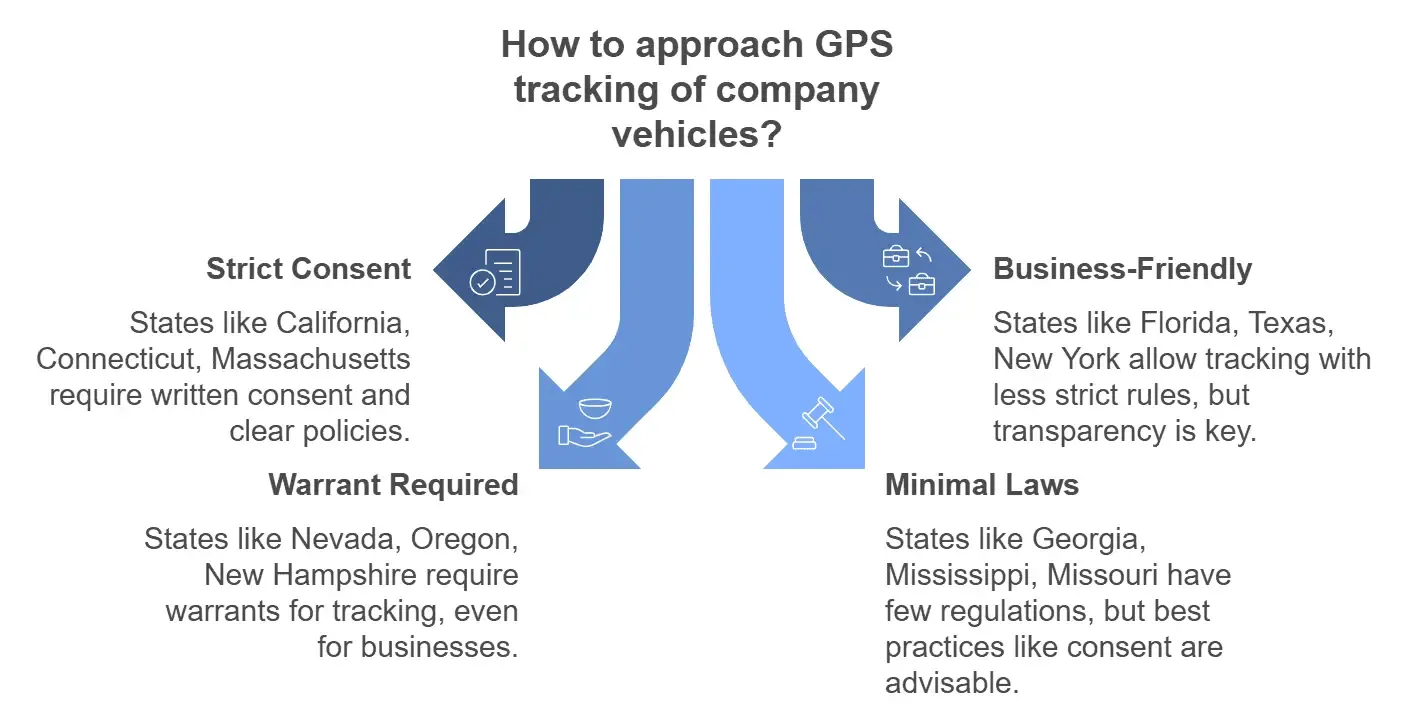
Now, take a look at how states stack up when it comes to consent requirements and flexibility for business. Some states have tighter rules, others are more open.
This breakdown gives you a sense of where you’ll find stricter guidelines versus states that welcome a bit more business freedom.
Strict Consent Requirement States
In states like California, Connecticut, Maryland, and Massachusetts, the rules around consent for tracking are strict.
Tracking someone without their clear approval can lead to serious trouble—think civil liability for invading privacy or even criminal charges for stalking. Let’s break it down:
- California: Under Penal Code 637.7, consent is required for any GPS tracking—even for a company-owned vehicle. Violating this? Expect fines and possible lawsuits.
- Connecticut: Public Act 21-56 makes it illegal to track someone without permission if it could cause emotional distress. Bottom line: get consent, no exceptions.
- Massachusetts: Anti-stalking laws in General Law Chapter 265 mean tracking without written consent can bring on serious issues, especially if it risks causing emotional harm. Written consent from employees isn’t just a formality here; it’s a must.
So, in these states, you must get written consent and offer clear, detailed tracking policies.
Business-Friendly States
Some states make it easier to track business assets, with fewer rules to follow. Florida, Texas, Michigan, and New York all have more relaxed approaches to GPS tracking for company-owned property.
Just remember—keeping everyone in the loop still helps build trust.
Here’s the lowdown on how these states handle GPS tracking:
- Florida: Businesses can track company vehicles without needing direct consent, as long as it’s for a valid business reason.
- Texas: Texas doesn’t lay down strict rules, but companies are encouraged to inform employees or get consent—this helps protect against any potential issues down the road.
- New York: Tracking business vehicles is fair game in New York, too. Still, it’s wise to let employees know, especially if tracking might extend outside work hours.
Stay informed, stay transparent, and keep things clear for everyone involved.
States Requiring Warrants for Law Enforcement Tracking
For states like Nevada, Oregon, and New Hampshire, getting a warrant is a must before law enforcement can implement geofencing software and GPS tracking in investigations.
This rule often applies to private investigators and even some businesses, especially when it involves tracking personal vehicles.
- Nevada: Recent laws demand warrants for nearly all GPS tracking—unless the vehicle belongs to the person doing the tracking.
- Oregon: Oregon law is clear—court-issued warrants are required for any GPS tracking that doesn’t have the explicit okay from the individual being tracked.
- New Hampshire: Here, consent is key. The state takes a strict stance on privacy, clamping down on unauthorized tracking and surveillance.
PRO TIP
If you’re in law enforcement or private investigations in these states, plan ahead. Make sure you’ve got that warrant in hand before tracking begins.
Minimal GPS Law States
Some states don’t have strict rules about GPS tracking.
That might sound like a free pass, but here’s the deal: best practices, especially around consent, can help you steer clear of privacy headaches and ethical issues.
- Georgia: No specific GPS laws here. Businesses can track vehicles, but getting employee consent? Smart move.
- Mississippi: Tracking’s allowed, but a heads-up to employees can smooth out any privacy concerns.
- Missouri: GPS tracking isn’t tightly regulated, which is business-friendly—but respecting privacy norms still matters.
Even in states with few GPS rules, sticking to best practices like getting consent and staying transparent about tracking can help you dodge potential legal and ethical troubles.
Why GPS Tracking Laws Vary by State
Privacy and Consent at the State Level
GPS tracking laws in the U.S. are all over the map. Each state has its own way of seeing privacy, which means the rules can vary—sometimes a lot.
Privacy matters everywhere, but how it’s enforced depends on the state’s take on personal rights.
California, for example, takes privacy seriously, so GPS tracking there comes with strict rules. Meanwhile, in Texas, things can be a bit looser, especially for businesses.
This patchwork of laws exists because states set their own rules, reflecting local values.
In states like California and Massachusetts, where privacy is key, lawmakers push for strong protections. They want explicit consent for tracking—no shortcuts.
But in states where business interests hold sway, the rules tend to be more flexible, allowing tracking with fewer hoops to jump through if there’s a solid business reason.
Quick Tip
Don’t assume one state’s GPS rules will cover you everywhere. Always check local laws so you’re on the right side of compliance.
Common Reasons for GPS Tracking
GPS tracking has become a go-to tool across personal, business, and public safety spaces. Here’s why people rely on it every day:

Fleet and Employee Management
Businesses rely on GPS to manage field crews, track company vehicles, follow employee routes, boost delivery times, and cut down on fuel costs. This helps both sides—employers and employees—Additionally, employers can use time and attendance software to easily track employees even from a remote location.
Family and Personal Safety
Parents use GPS trackers to check in on their kids, whether they’re little ones or teens who’ve just hit the road. It’s also a lifeline for families keeping tabs on elderly loved ones who may struggle with memory or mobility.
Asset and Shipment Tracking
Companies use GPS to safeguard high-value shipments and rented equipment. This is especially key for those in logistics, construction, and rentals, where loss or theft can seriously impact operations.
Not only that, but companies can coordinate the team and implement route optimization to minimize truck rolls using GPS.
Law Enforcement and Investigations
GPS helps law enforcement track suspects during investigations, typically with a warrant. Private investigators may also use it, but they must follow strict laws on consent and vehicle ownership.
Each use comes with its own legal hurdles. Businesses especially need to navigate privacy regulations to make sure their tracking practices comply with state laws.
Importance of Consent and Privacy
Getting consent is key to using GPS tracking responsibly. In states where it's required, people need to know and agree to be tracked before it happens.
Consent not only safeguards privacy but also protects users and businesses from legal trouble.
Here’s why consent and privacy matter so much in GPS tracking:
Defining Consent
Consent in GPS tracking means the person being tracked knows about it, understands why, and agrees willingly.
For businesses, getting this in writing—especially in states with tough privacy laws like California and Connecticut—is a smart move.
Consequences of Non-Compliance
Breaking GPS tracking laws can have serious consequences. In some states, unauthorized tracking could mean criminal charges.
For example, Colorado’s Vonnie’s Law considers certain tracking without consent as stalking, with penalties that can range from fines to jail time.
And if non-compliant tracking causes emotional distress or breaches privacy, businesses may face lawsuits.
Privacy in Public vs. Private Spaces
Tracking laws often differ based on location. While it’s usually fine to track on public roads, monitoring someone on private property without permission is typically off-limits. Knowing this line is crucial for anyone using GPS tracking.
Quick Tip
Whenever possible, get written consent from employees and clearly outline tracking details to avoid any confusion. Regularly updating policies and informing employees on tracking practices can build trust and transparency.
How to Create a Compliant GPS Tracking Policy
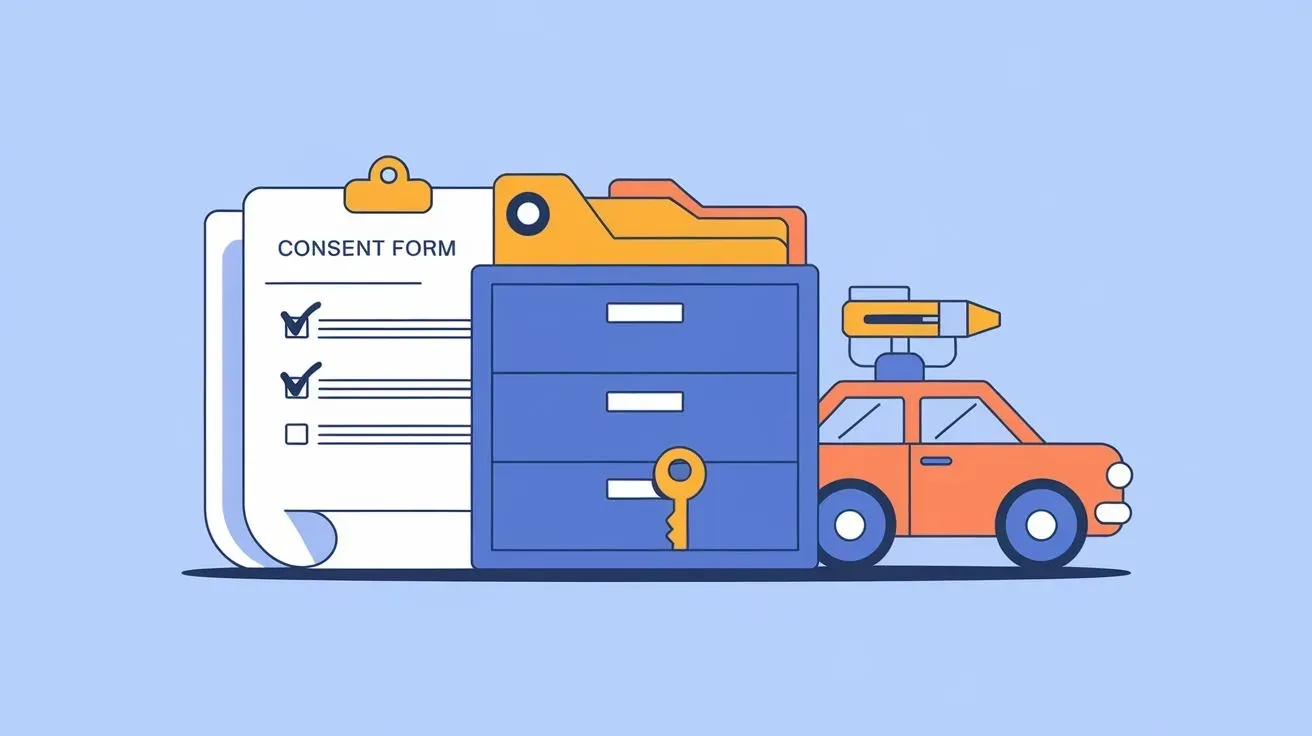
Step 1: Create a Clear Consent Form
Following a proper employee attendance policy, craft a form that spells out exactly why GPS tracking is being used, what it covers, and any limits. Make it clear that employees can withdraw their consent if their job changes and no longer involves tracked equipment.
Step 2: Get Written Consent
A quick “yes” won’t cut it—written consent is essential for legal security. Each employee needs to sign off on the form, with a space for a manager or HR rep to sign too, confirming the employee understands.
Step 3: Store and Track Consent Forms
Store all signed forms safely, either digitally or physically, and make sure they’re easy to access if needed for any legal checks. Regularly review and update the forms if tracking practices change, like new tracking hours or tech updates.
Step 4: Define the Scope of Tracking
Tracking should be clear-cut. Limit it to work hours, specific areas, or just certain company vehicles—whatever fits business needs best. Laying out these boundaries keeps things straightforward and eases privacy worries.
Tracking should serve real business purposes only, like keeping tabs on delivery routes or preventing unauthorized use. Also, it can be used to see whether employees are at the right place at the right time.
Step 5: Data Use and Retention
Define how field service reports and tracking data will be stored securely, who can see it, and how long it stays in the system. Restricted access and secure storage protect both the company and employee privacy.
Be upfront about how data will be used—whether for improving logistics, ensuring safety, or meeting compliance. Any misuse, like tracking for non-business reasons, should be strictly off-limits.
Step 6: Employee Transparency and Communication
Make sure employees are in the loop. Explain the tracking policy, share the purpose, and address any questions or concerns. An open-door approach builds trust and keeps everyone on the same page.
Laws and business needs change. Keep the GPS tracking policy updated, and let employees know when any changes impact them.
What are the Potential Risks of Ignoring GPS Tracking Laws
Failing to follow GPS tracking laws can bring serious trouble. Here’s what can happen if businesses or individuals ignore GPS requirements:
Stalking and Harassment Charges
Tracking someone without permission can land you with stalking or harassment charges.
Many states, like Colorado with Vonnie’s Law, make it illegal to track anyone without consent, especially if it causes them stress or fear.
The penalties? Fines, probation, and even jail time. Not worth it.
Privacy Invasion Claims
Unauthorized tracking can be a direct hit on someone’s privacy, particularly with personal vehicles or private spaces. Violating privacy laws in states like California or Massachusetts could mean costly lawsuits and major fines.
Don’t gamble with someone’s personal space—it’s expensive.
Emotional Distress Lawsuits
GPS tracking without permission can lead to emotional distress claims. People who feel invaded might sue for anxiety, sleeplessness, and other stress-related symptoms.
And yes, these cases can end in big settlements or damages. Emotional harm can cost—big time.
Financial Penalties and Business Reputational Damage
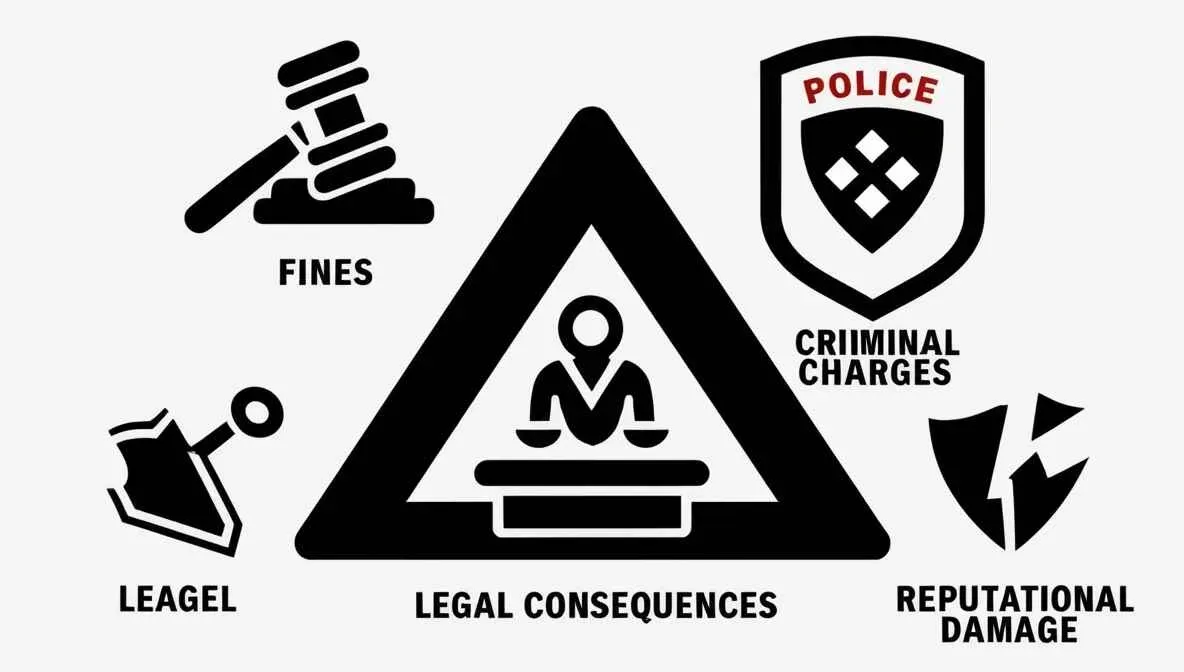
Non-compliance fines add up fast, especially for repeat violations.
But it doesn’t stop there—your business reputation is on the line too. Customers and employees value privacy, and in sensitive industries like healthcare and finance, trust is everything.
The cost of losing it is lasting damage.
Important Note
Protect your business by setting clear GPS tracking policies and ensuring everyone’s on the same page with compliance.
What are the Potential Risks of Ignoring GPS Tracking Laws
Failing to follow GPS tracking laws can bring serious trouble. Here’s what can happen if businesses or individuals ignore GPS requirements:
Stalking and Harassment Charges
Tracking someone without permission can land you with stalking or harassment charges.
Many states, like Colorado, with Vonnie’s Law, make it illegal to track anyone without consent, especially if it causes them stress or fear.
The penalties? Fines, probation, and even jail time. Not worth it.
Privacy Invasion Claims
Unauthorized tracking can be a direct hit on someone’s privacy, particularly with personal vehicles or ,. Violating privacy laws in states like California or Massachusetts could mean costly lawsuits and major fines.
Don’t gamble with someone’s personal space—it’s expensive.
Emotional Distress Lawsuits
GPS tracking without permission can lead to emotional distress claims. People who feel invaded might sue for anxiety, sleeplessness, and other stress-related symptoms.
And yes, these cases can end in big settlements or damages. Emotional harm can cost—big time.
Financial Penalties and Business Reputational Damage
Non-compliance fines add up fast, especially for repeat violations.
But it doesn’t stop there—your business reputation is on the line too. Customers and employees value privacy, and in sensitive industries like healthcare and finance, trust is everything.
The cost of losing it is lasting damage.
Important Note
Protect your business by setting clear GPS tracking policies and ensuring everyone’s on the same page with compliance.
Frequently Asked Questions
Is GPS tracking legal without consent?
In most states, tracking someone without their consent a no-go. When it’s a personal or employee-owned vehicle, it can cross a line legally. And even in places where the rules seem a bit more flexible, getting that consent is still a good idea.
Can I track my employees without telling them?
Most of the time, no. In states like California and Connecticut, you need to get their explicit consent. Other places recommend being open about it to steer clear of privacy issues. Transparency is key here; it not only helps you stay compliant but also builds trust with your team.
What are the penalties for non-compliance?
Non-compliance can bring some serious consequences, such as hefty fines, possible jail time, and civil lawsuits.