Subcontractor Management: A Complete Guide for 2026
Updated on 2 Dec 2025
Jump to
Think about the last successful construction project you saw completed. Behind that achievement stood not just one company, but a network of specialized subcontractors working in harmony.
Like a well-conducted orchestra, each played their part at precisely the right moment.
Managing subcontractors isn't just about delegating tasks - it's about creating a system where every piece fits perfectly.

This guide breaks down the essential strategies and tools that will help you build stronger relationships with your subcontractors and deliver better results for your clients.
From selecting the right software to establishing clear communication channels, you'll find practical steps to improve your subcontractor management process.
Understanding Subcontractor Management: The Foundation of Project Success
Picture a jigsaw puzzle with hundreds of pieces. Now imagine each piece represents a different specialized task - electrical work, plumbing, carpentry, and more.
That's what managing construction projects looks like. Subcontractor management is the process of putting these pieces together effectively.
What Makes Subcontractor Management Critical?
Success in construction isn't just about technical skills - it's about orchestrating multiple teams toward a common goal. When one subcontractor falls behind schedule or misses quality standards, it creates a ripple effect throughout the entire project.
Consider this real-world example: A commercial building project in Denver faced a three-month delay because of poor coordination between the HVAC business software installation team and the electrical contractors.
The result? An additional six-digit costs and a frustrated client. Proper subcontractor management could have prevented this scenario.
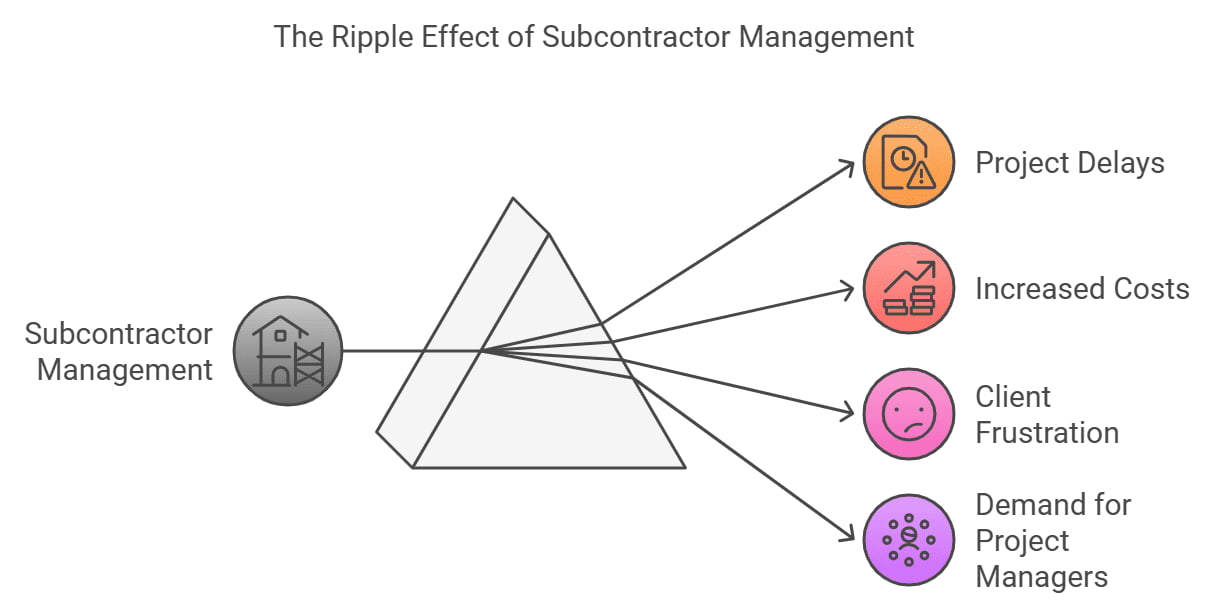
See how important subcontractor management is! Also, you should know that with the anticipated demand for 2.3 million new project management professionals annually to meet workforce needs - it is having a boom in growth. Makes more sense of their importance.
Three Core Elements of Effective Management
- Quality Control and Standards: Managing subcontractors means maintaining consistent quality across all work. This includes setting clear expectations, conducting regular inspections, and documenting progress.
- Timeline Coordination: Each subcontractor's schedule must mesh perfectly with others. Like a complex dance, timing is everything - the painters can't start until the drywall team finishes, and the flooring team needs the HVAC system installed first.
- Communication Systems: Clear, consistent communication prevents costly mistakes. This means establishing regular check-ins, using project management software, and maintaining open channels for quick problem-solving.
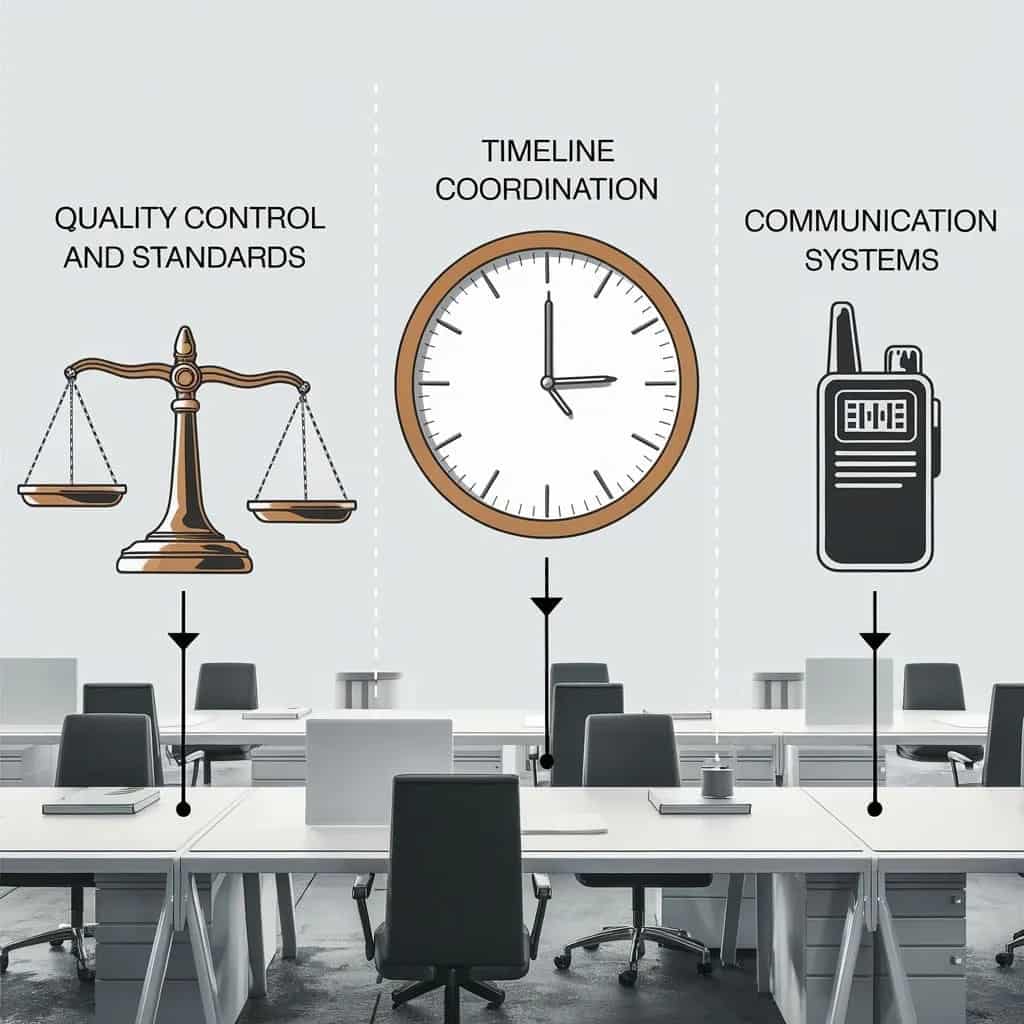
The difference between good and great subcontractor management often comes down to how well you handle these fundamental aspects. When managed properly, subcontractors become valuable partners rather than just hired help.
Core Responsibilities of a Subcontractor Manager
Working with subcontractors is like conducting a symphony - each section needs to play their part perfectly, and the conductor makes it happen.
A subcontractor manager's role combines leadership, organization, and problem-solving skills to keep projects running smoothly.
Essential Duties That Drive Project Success
- Setting Clear Performance Standards
- Establishing measurable quality benchmarks
- Creating detailed scopes of work
- Defining project milestones and deadlines
- Building Strong Working Relationships
- Regular face-to-face meetings with key personnel
- Open communication channels for questions and concerns
- Quick response times to urgent issues
- Documentation and Progress Tracking
- Daily/weekly progress reports
- Photo documentation of completed work
- Regular quality control inspections
You can use a time tracking tool to track your project progress. It creates accountability, delivers tasks timely and gets paid with customer satisfaction.
Performance Tracking and Accountability
Performance tracking isn't about micromanagement - it's about maintaining standards and identifying potential issues before they become problems. Here's what this looks like in practice:
Key Performance Indicators (KPIs) to Monitor:
- Quality KPI: Defect rates, rework percentage, etc.
- Timeline KPI: Milestone completion rates.
- Safety: Incident reports, compliance, etc.
- Cost control KPI: Budget variance, change orders.

Risk Management and Compliance
Risk management in subcontractor oversight works like an insurance policy - it protects your project from potential setbacks. Smart managers focus on prevention rather than reaction.
Critical Risk Management Steps:
- Documentation Requirements
- Updated insurance certificates
- Safety program compliance
- Licensing verification
- Legal Protection Measures
- Well-structured contracts
- Change order procedures
- Payment terms and conditions
- Quality Control Systems
- Regular inspections
- Material verification
- Work approval processes
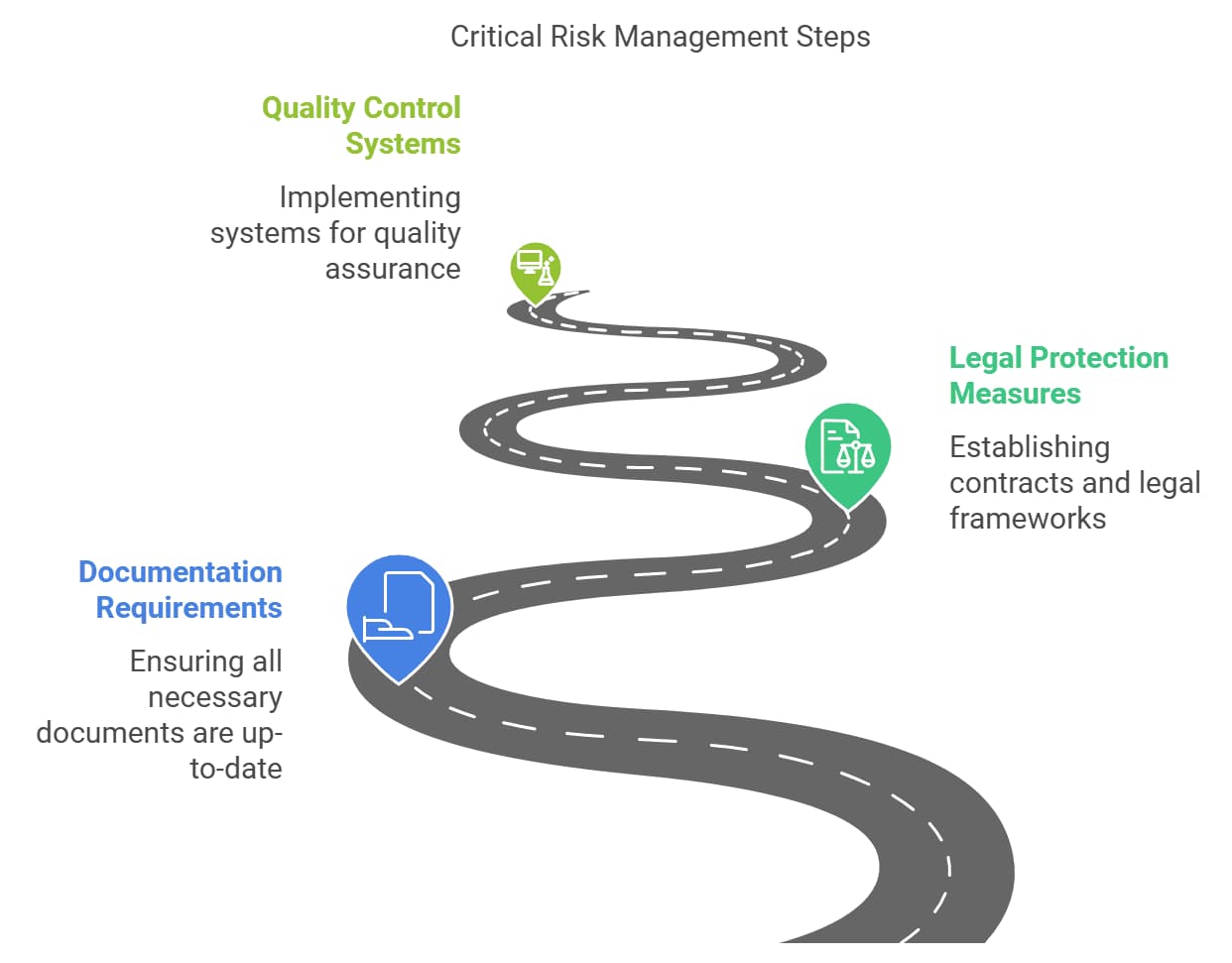
The success of your project depends on how well these responsibilities are managed. By maintaining a balanced focus on both performance and risk management, you create an environment where subcontractors can deliver their best work while protecting your project's interests.
Tools and Software for Effective Subcontractor Management
Managing subcontractors without proper tools is like building a skyscraper without scaffolding - possible, but unnecessarily difficult. Modern software solutions turn complex management tasks into streamlined processes.
And, do you know that only 23% of US project management organizations use software and go through data-driven strategy planning?
So if you know to use the right software as a subcontractor management at the right time will put you ahead of those 77% companies! Your only competitors are those in the top.
Selecting the Right Management Software
The best subcontractor management software acts like a digital command center for your operations. Here's what top-performing construction companies prioritize when choosing their solutions:
Essential Software Features:
While selecting your subcontractor management software– these are the key features to look for. Here find the specific benefits each feature provides and the quantifiable impact on operations they have.
Purpose: Help readers understand the ROI of different software features.
| Feature Category | Benefits | Impacts |
|---|---|---|
Document Control | Centralized file storage | 40% reduction in paperwork |
Real-time Updates | Dynamic Update | Instant Communication |
65% faster issue resolution | Mobile Access | On-site information access |
3% improved response time | Payment Tracking | Automated payment systems |
Work Order Management Software
Think of work order management software as your project's digital nervous system. It keeps information flowing and tasks moving forward.
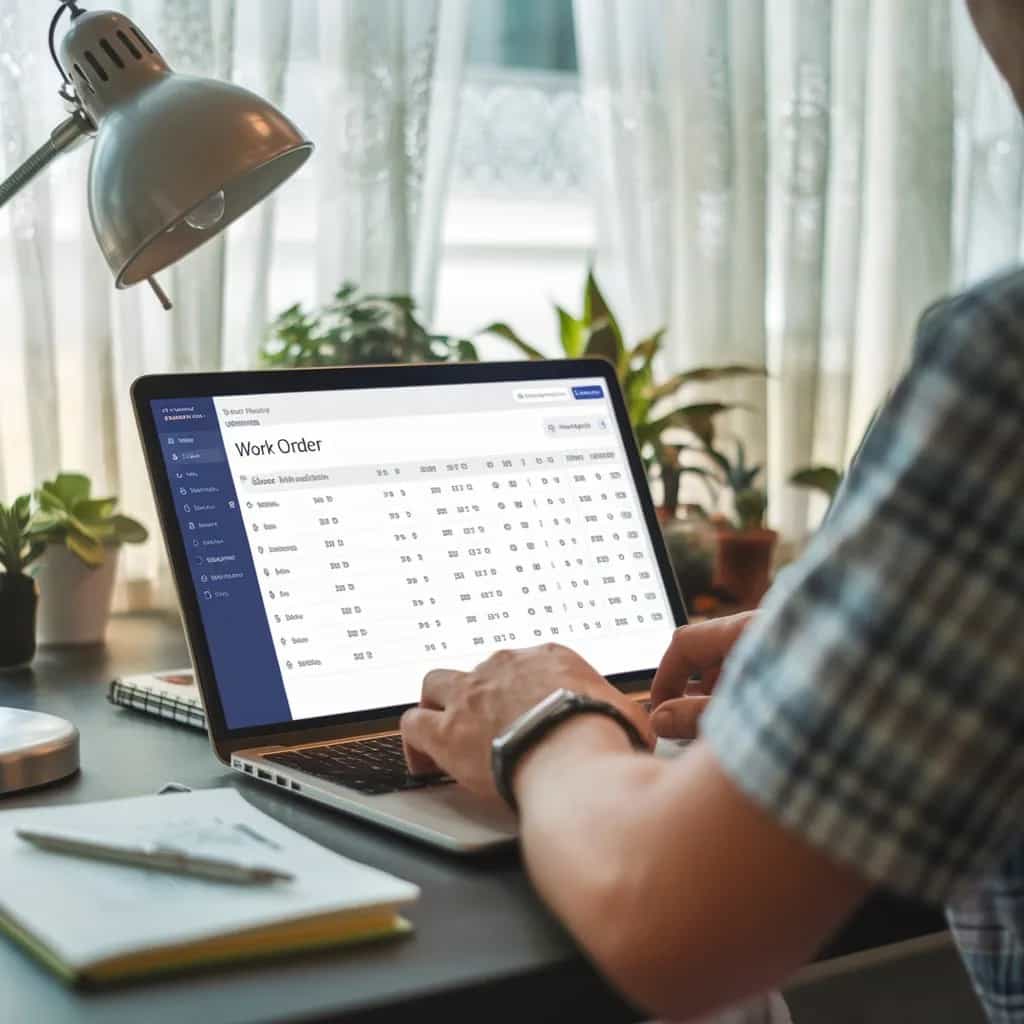
Key Capabilities:
- Electronic work order creation and assignment
- Real-time status updates and tracking
- Digital signature capture
- Photo and document attachment
- Automated notifications
Scheduling and Planning Tools
Modern scheduling software works like air traffic control for your project, preventing conflicts and optimizing resource use.
Strategic Planning Features:
- Resource Allocation
- Worker availability tracking
- Equipment scheduling
- Material delivery coordination
- Timeline Management
- Dependency mapping
- Schedule conflict detection
- Automated schedule updates
- Progress Monitoring
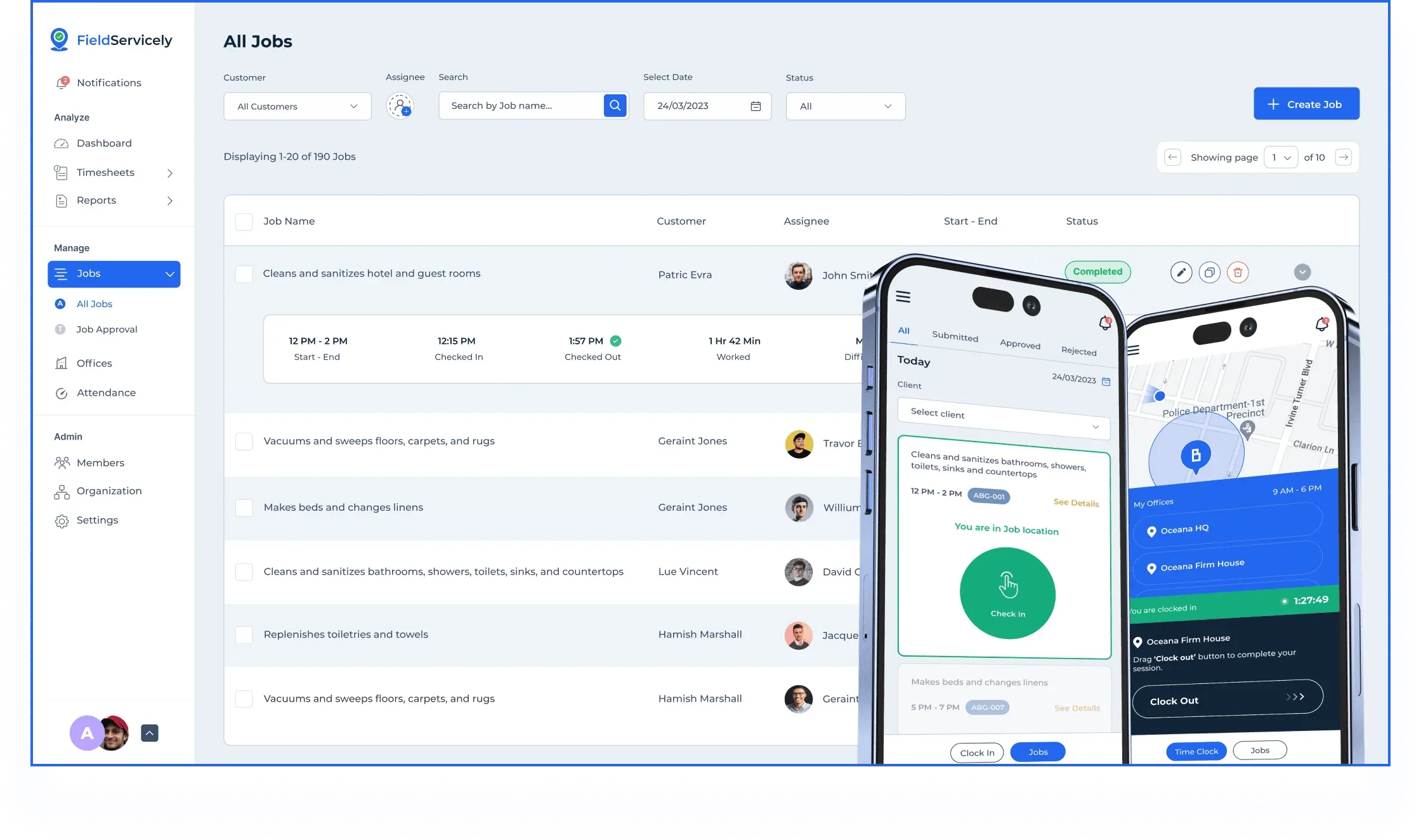
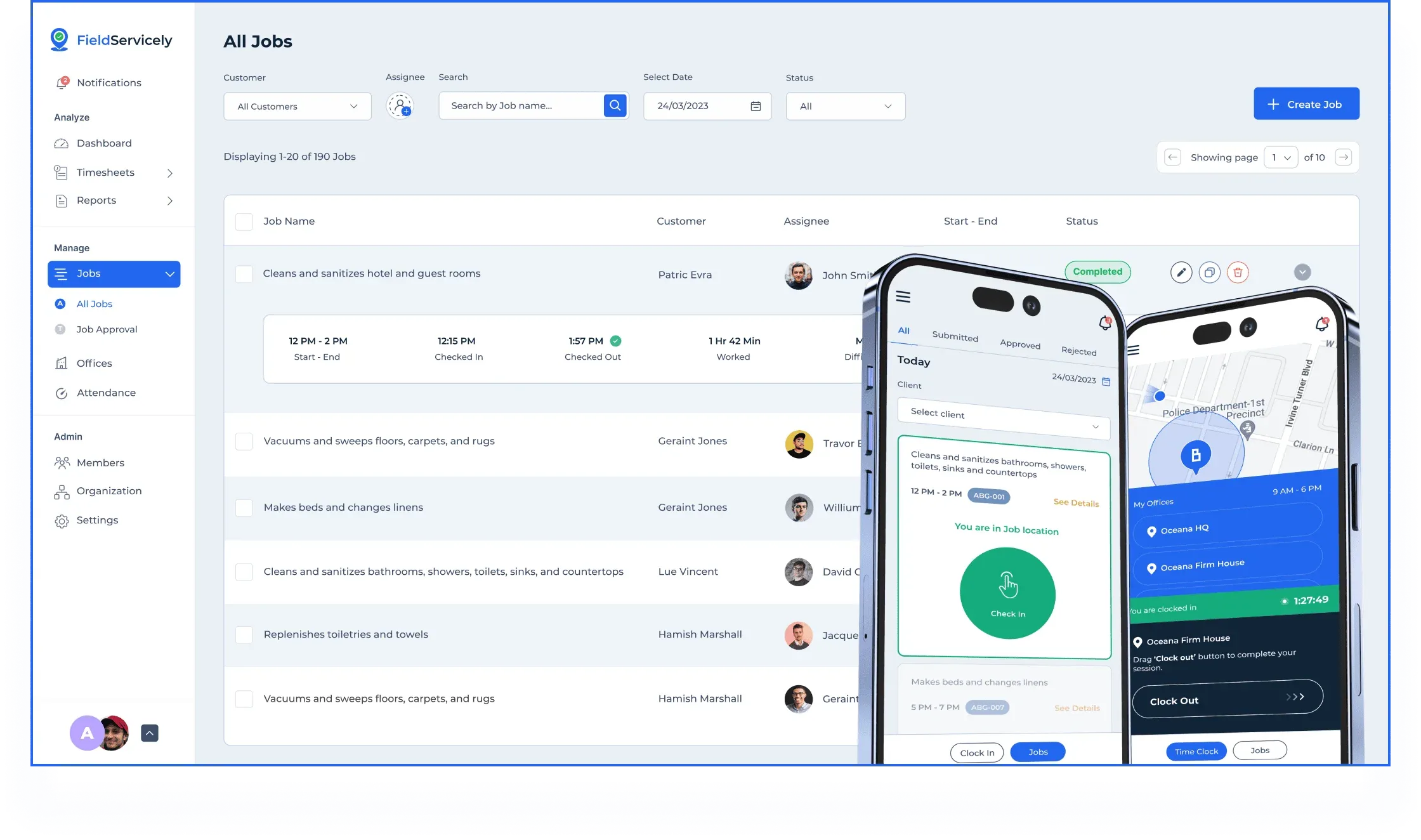
- Real-time completion tracking using a GPS time clock app
- Milestone alerts
- Delay risk identification
Popular software options include:
- Integrated project management platforms
- Specialized subcontractor tracking systems
- Mobile-first solutions for field teams
The right software doesn't just digitize your processes - it transforms how you manage subcontractors, leading to better outcomes and fewer headaches.
Strategies for Effective Subcontractor Management
Success in subcontractor management isn't just about tools and processes - it's about building relationships that deliver results. Like a master chess player, you need to think several moves ahead while keeping every piece in play.
Creating a Foundation for Success
A number of construction managers reported their secrets to success is "Strong relationships with subcontractors". They also mentioned these aren't extras - they're essentials.
Partnership Building Framework:
First, establishing clear expectations through comprehensive written scope documentation significantly reduces disputes and misunderstandings between parties.
Second, maintaining regular weekly progress reviews ensures better project coordination and helps address potential issues before they escalate.
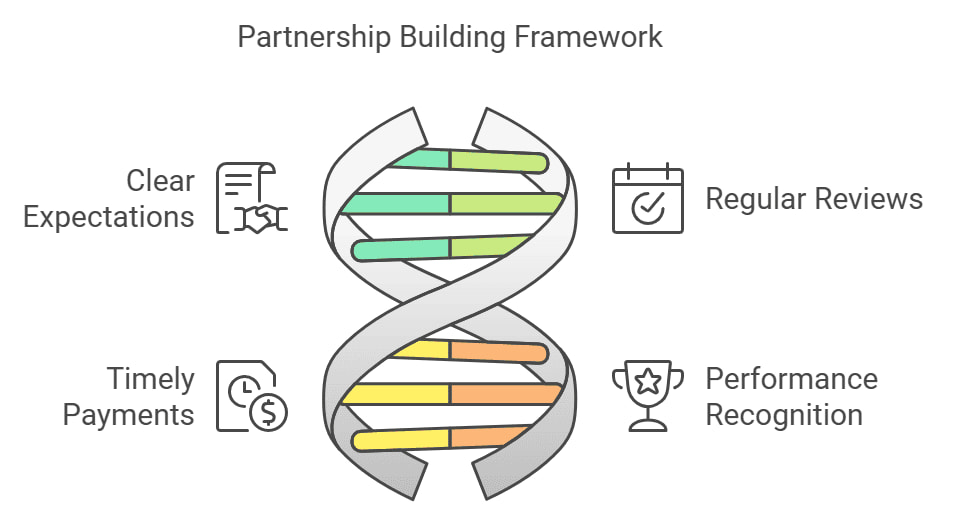
Third, implementing fair and timely payment cycles, particularly within two weeks, proves instrumental in maintaining strong relationships and improving subcontractor retention rates.
Finally, recognizing good performance through incentive programs helps boost overall productivity and motivates subcontractors to deliver their best work.
Each of these strategies works together to create a cohesive management approach that benefits both parties, leading to smoother project execution, better working relationships, and improved business outcomes.
By implementing these field service management best practices, companies can build lasting partnerships with their subcontractors while ensuring project success.
Communication and Coordination Techniques
Communication consumes a majority of subcontractor management time, with managers dedicating 57% of their workday to emails, meetings, and team messaging platforms.
Makes more sense how vital it is for a successful subcontractor management team.
Communication in subcontractor management works like a two-way radio - both parties need clear signals to move forward effectively.
Proven Communication Methods:
- Structured Meeting Systems
- Morning huddles (15 minutes)
- Weekly coordination meetings
- Monthly performance reviews
- Documentation Protocols
- Digital daily reports
- Photo documentation
- Issue tracking logs
- Technology Integration
- Mobile communication apps
- Cloud-based document sharing
- Real-time messaging platforms
Performance Evaluation and Feedback
Performance management isn't about finding fault - it's about creating opportunities for improvement. Think of it as maintaining a high-performance sports team.
Performance Management Framework:
- Measurement Standards
- Quality metrics
- Timeline adherence
- Safety compliance
- Budget management
- Review Process
- Bi-weekly check-ins
- Monthly scorecards
- Quarterly evaluations
- Growth Planning
- Skill development paths
- Process improvement goals
- Partnership expansion opportunities
Real-World Success Story: Some of the commercial construction firms in Chicago implemented these strategies and saw remarkable results like:
- Reduction in project delays
- Decrease in quality issues by half
- Improvement in subcontractor retention
Practical Tips for Implementation:
- Start with clear baseline measurements
- Provide regular, constructive feedback
- Recognize and reward outstanding performance
- Address issues promptly and fairly
Remember: The goal isn't just to manage subcontractors - it's to create lasting partnerships that benefit both parties. By focusing on clear communication, fair treatment, and continuous improvement, you build a network of reliable partners ready to deliver quality work.
Developing a Subcontractor Management Plan
A solid subcontractor management plan works like a GPS for your project - it shows where you're going and how to get there. Let's break down how to create one that actually works.
Building Your Management Framework
When managing subcontractors, three main scheduling hurdles often surface. Timing conflicts between trades can throw projects off track, but digital scheduling tools cut these delays by half.
Resource overlap issues, where multiple subcontractors need the same equipment, improve by 40% with resource loading charts. Weather delays, while unavoidable, become more manageable with built-in buffer times, improving timeline accuracy by a decent amount.
By tackling these challenges with the right tools and planning, projects stay on schedule and teams work more efficiently.
Step-by-Step Plan Development
- Project Scope Definition
- Break down work packages
- Identify specialized skill needs
- Map dependencies between trades
- Set quality standards
- Resource Planning
- Labor requirements
- Equipment needs
- Material specifications
- Budget allocations
- Timeline Development
- Milestone identification
- Phase scheduling
- Buffer allocation
- Critical path mapping
Management Plan Template
Here's a practical structure that's proven effective:
- Project Overview
- Scope summary
- Key objectives
- Success criteria
- Roles and Responsibilities
- Decision authority
- Reporting structure
- Communication channels
- Performance Standards
- Quality requirements
- Safety protocols
- Timeline expectations
Implementation Strategy
Start small and scale up:
- Week 1-2: Basic framework setup
- Week 3-4: Team training and feedback
- Month 2: Full implementation
- Month 3: Review and refinement
Success Metrics to Track:
- Schedule adherence rates
- Quality inspection results
- Safety incident reports
- Budget variance
Remember: Your plan should be detailed enough to provide clear direction but flexible enough to adapt to changing project needs. The best plans evolve based on real-world feedback and results.
Top Challenges and Their Solutions
1. Quality Control Issues
Problem: Inconsistent work quality across different subcontractors.
Solution:
- Implement standardized quality checklists
- Conduct pre-task planning meetings
- Document examples of acceptable work
- Use photo documentation for verification
2. Schedule Coordination
Managing subcontractor schedules comes with three key challenges. Timing conflicts between trades slow down projects, but using digital scheduling tools cuts these delays in half.
When multiple subcontractors need resources at once, resource loading charts boost efficiency by 40%. For unpredictable weather delays, smart buffer times in schedules lead to better timeline performance.
3. Payment Management
Problem: Late payments leading to work slowdowns.
Solutions:
- Set up milestone-based payments
- Use digital payment systems
- Create clear payment schedules
- Document change orders promptly
4. Communication Breakdowns
Prevention strategies:
- Daily briefing sessions
- WhatsApp groups for quick updates
- Weekly coordination meetings
- Digital document sharing
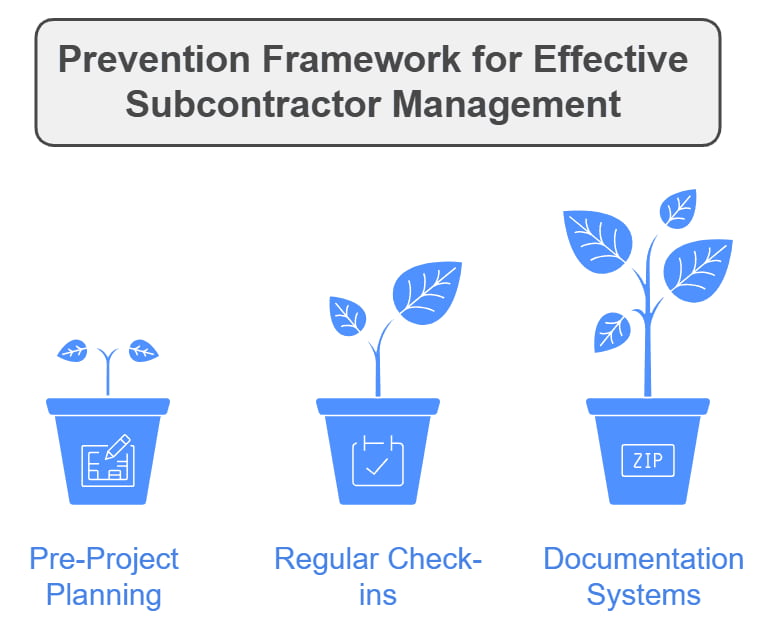
Prevention Framework
The best way to handle problems is to prevent them:
- Pre-Project Planning
- Clear scope definition
- Detailed timelines
- Resource allocation plans
- Regular Check-ins
- Morning huddles
- Weekly progress reviews
- Monthly performance assessments
- Documentation Systems
- Digital progress tracking
- Issue resolution logs
- Performance metrics
Pro Tip: Many project managers reduced communication issues by implementing a simple traffic light system: Green for on track, Yellow for potential issues, Red for immediate attention needed.
Remember: Problems aren't failures - they're opportunities to improve your system. Each challenge you solve makes your management approach stronger.
Concluding Remarks: Subcontractor Management
Strong subcontractor management isn't just about oversight - it's about creating partnerships that deliver outstanding results.
By implementing the right tools, establishing clear processes, and maintaining open communication, you build a foundation for project success.
Remember: Your subcontractors are extensions of your team. When you invest in their success, you invest in your own.
Take the first step today. Pick one area of your subcontractor management process to improve. Whether it's implementing new software or establishing better communication protocols, small changes lead to significant improvements.
Frequently Asked Questions
Q: What is subcontractor management?
Subcontractor management involves coordinating, overseeing, and optimizing the work of specialized contractors on your projects. It includes everything from selection and onboarding to performance tracking and payment processing.
Q: How do I hold subcontractors accountable?
Accountability comes through clear expectations, regular monitoring, and consistent feedback. Set specific performance metrics, conduct regular inspections, and maintain detailed documentation of progress and issues.
Q: What are the best software options for subcontractor management?
The best software depends on your specific needs, but look for solutions offering work order management, scheduling tools, document control, and communication features.
Popular options include integrated project management platforms and specialized subcontractor tracking systems.
Q: How can I ensure compliance with subcontractors?
Establish a robust compliance system including:
- Regular documentation checks
- Safety protocol monitoring
- Insurance verification
- License tracking
- Quality control inspections
These comprehensive solutions help create efficient, productive relationships with your subcontractors while maintaining high standards of quality and safety.
Try FieldServicely #1 Field Service Management Software
Try for free - No credit card required!