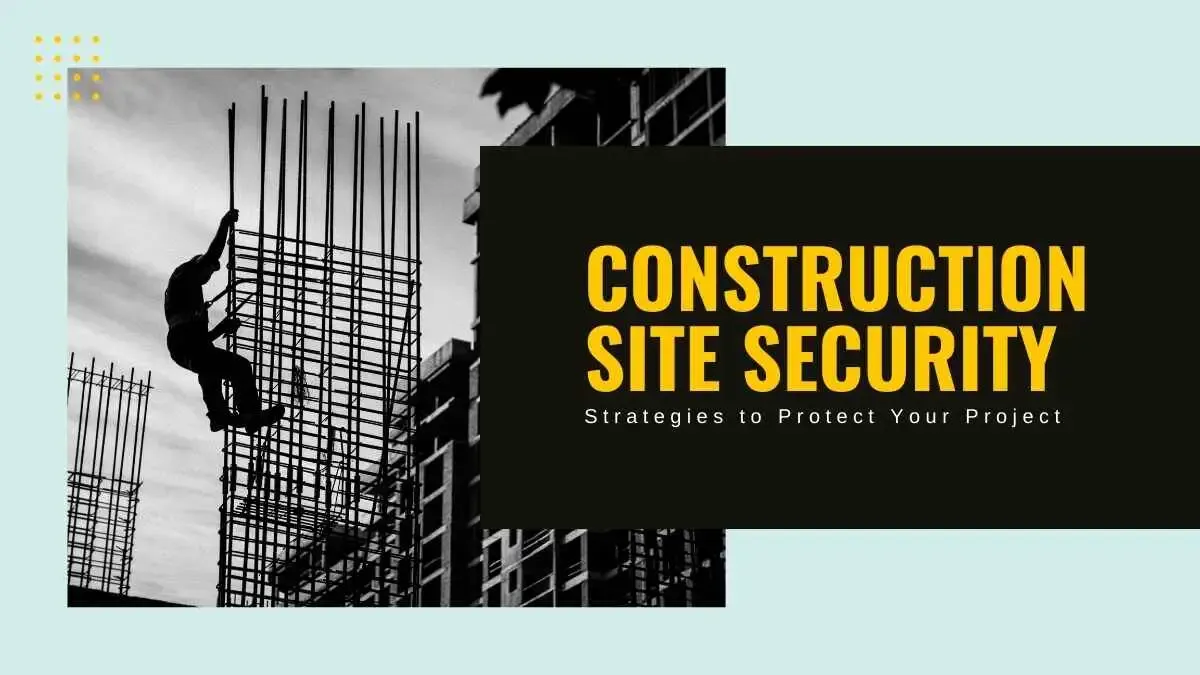
Construction Site Security: Best Strategies to Protect Your Project
Updated on 2 Dec 2025
Jump to
Construction site security—you have no idea how vulnerable these sites can be. Without ensuring worker safety you can never really achieve a truly secure environment. And, mark my words, it’ll cost you at least 20% productivity inefficiency of your workers and one-fourth of the time in managing delays and addressing security breaches.
Think about it– you've got millions of dollars worth of equipment sitting out in the open, valuable materials stacked up, and a constantly changing workforce moving through the site. It's no wonder construction sites have become prime targets for theft and vandalism.
Whether you're overseeing a small residential development or managing a massive commercial project, securing your construction site isn't just an option - it's a necessity.
Let me walk you through what really works when it comes to protecting your site.
What is Construction Site Security?
Construction site security encompasses all measures and systems designed to protect construction assets. It also includes the safety of personnel and operations from all sorts of threats like theft, vandalism, and unauthorized access.
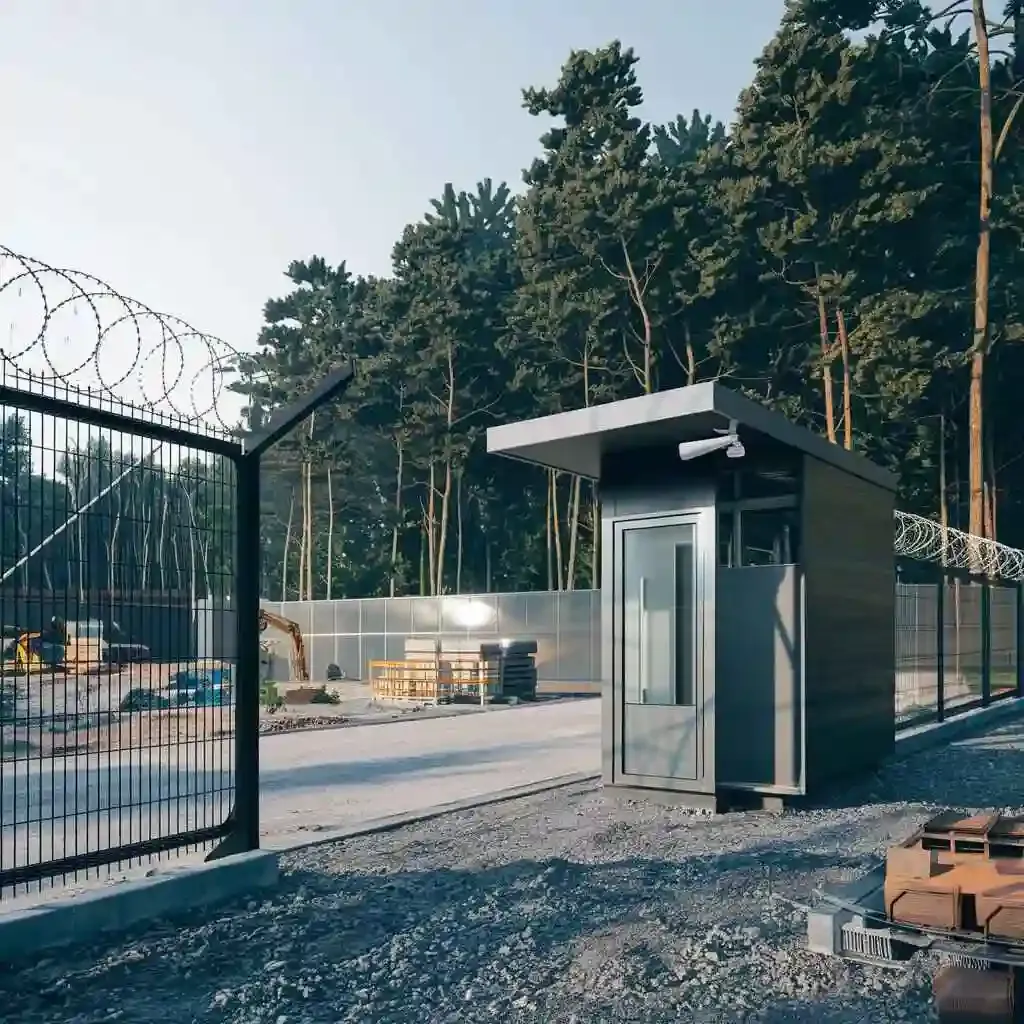
Ensuring safety hazards is also part of construction site security.
Why Construction Site Security Matters?
Are aware of the fact that in 2024, theft incident alone is the reason behind approximately $300 million to $1 billion loss annually in the construction industry? However, 25% of that is recovered. But that’s not much, is it?
Modern construction security isn't just about physical barriers. According to recent industry data:
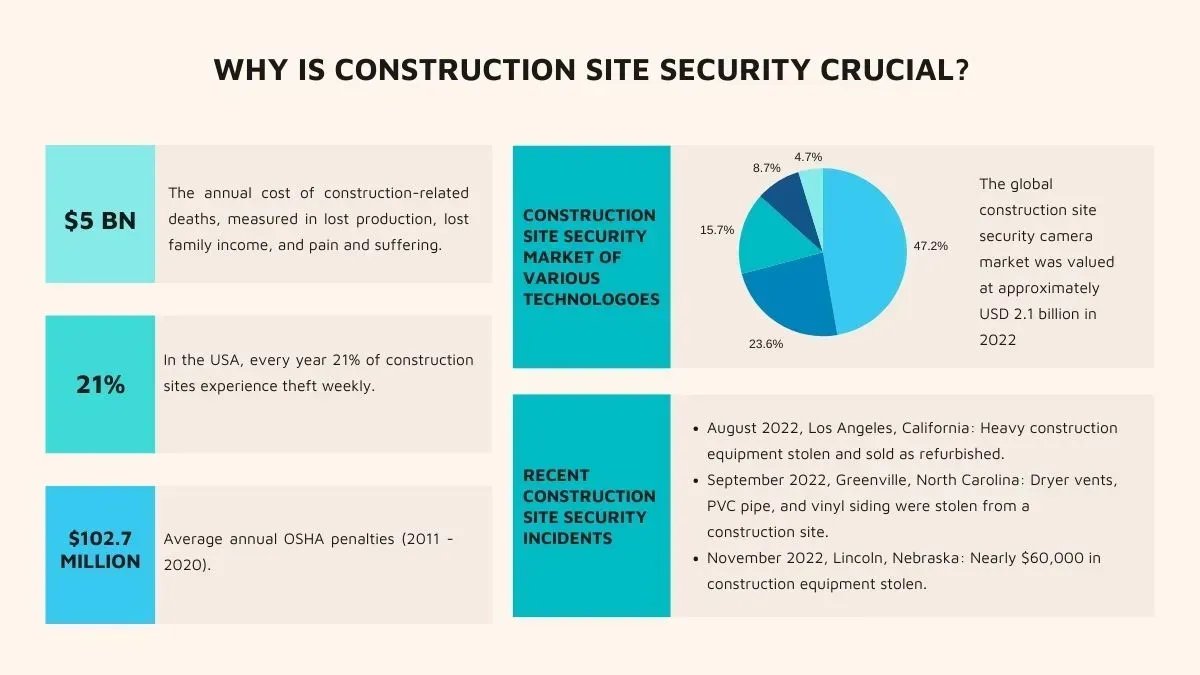
- $5 billion: The annual cost of construction-related deaths, measured in lost production, lost family income, and pain and suffering.
- 21% of construction sites experience theft weekly.
- $102.7 million: Average annual OSHA penalties (2011 - 2020).
This data underscores why comprehensive security has become as essential to construction projects as proper planning and quality materials.
And here's something that might surprise you: theft isn't actually your biggest security concern. While protecting equipment is crucial (and we'll definitely cover that), comprehensive site security addresses three equally important aspects:
First, there's the obvious one—preventing theft. When someone walks off with your equipment or materials, you're not just losing assets. You're looking at project delays, insurance headaches, and the administrative nightmare of replacing everything.
Then there's the safety factor. Construction sites are inherently dangerous places, and unauthorized visitors often don't understand the risks they're taking.
Having proper security measures doesn't just protect your assets - it protects you from liability issues that could arise if someone gets hurt on your property.
Speaking of liability—that's your third major concern. In today's litigious environment, demonstrating that you've taken reasonable security precautions can make a huge difference if something does go wrong.
Understanding Your Real Security Threats
If you do some research, you’ll find that most security threats tend to fall into distinct patterns. Let me break down what you really need to watch out for:
Materials and Equipment Theft
This isn't always what you'd expect. While large equipment theft happens, I've seen more cases of opportunistic theft - think of smaller tools and materials that are easy to transport and sell.
Copper wiring, power tools, and even lumber are common targets because they're relatively easy to move and hard to trace.
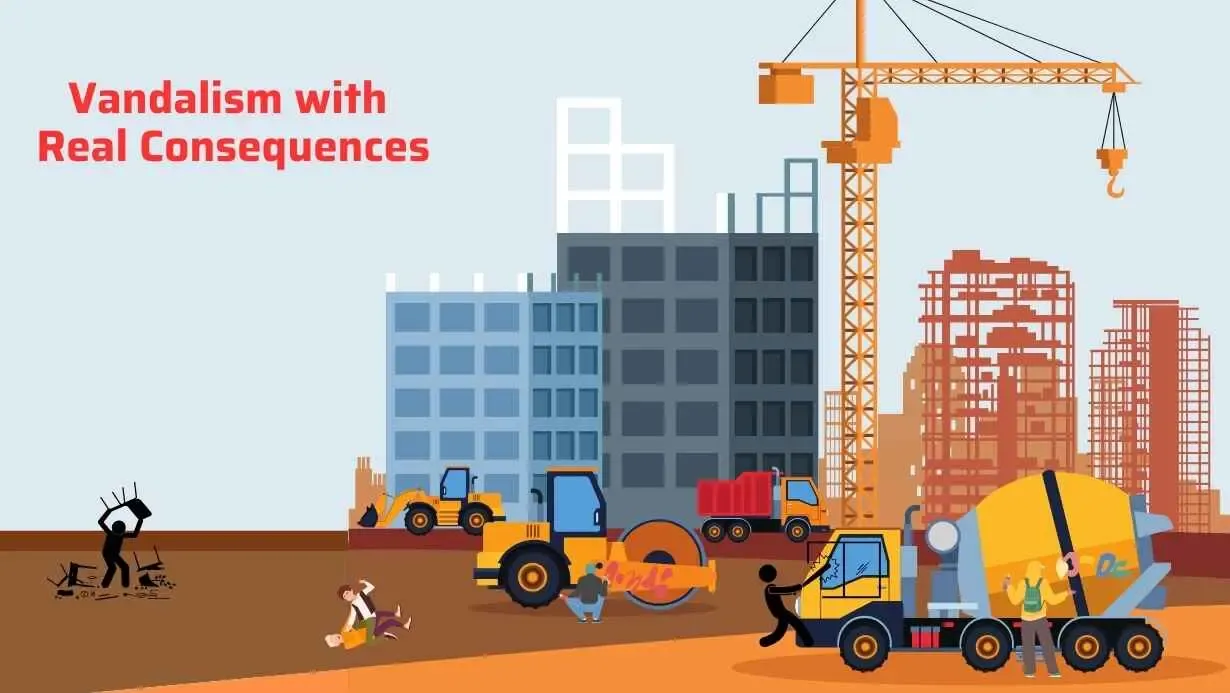
Vandalism with Real Consequences
Vandalism goes beyond just graffiti (though that's frustrating enough). I've seen cases where vandals have damaged essential equipment or compromised structural elements, leading to significant delays and safety concerns.
Best Ways to Improve Construction Site Security
Take these tips from construction site security specialists, consultants, and OSHA executives who have spent years helping construction sites enhance their security.
From their statements and consultants, we've identified approaches that consistently deliver results. Let’s share what actually works, based on real-world experience rather than just theory.
Start with a Professional Security Audit
Before making any changes, you need to know where you stand. Here's how to do it right:
Look at your site through a criminal's eyes - it's a trending approach nowadays. Walk your perimeter at different times of the day. Where are the weak spots? Now, document everything, including:
- Entry and exit points
- Lighting coverage
- Blind spots
- Equipment storage areas
- Material staging zones
The goal isn't just to spot problems - it's to prioritize solutions based on your specific risks and budget.
Upgrade Your Physical Security Measures
Let me share something that many have learned the hard way: the most expensive security isn't always the most effective. Here's what really makes a difference:
Perimeter Security
Instead of just throwing up basic fencing, think strategically:
- Use different fencing types for different areas based on risk level
- Install anti-climb measures where needed
- Create secure zones within your site
- Establish a single entry point for deliveries
Many incident reports that sites reduce theft by 60% simply by reorganizing their layout to create better-controlled access points.
Smart Lighting Solutions
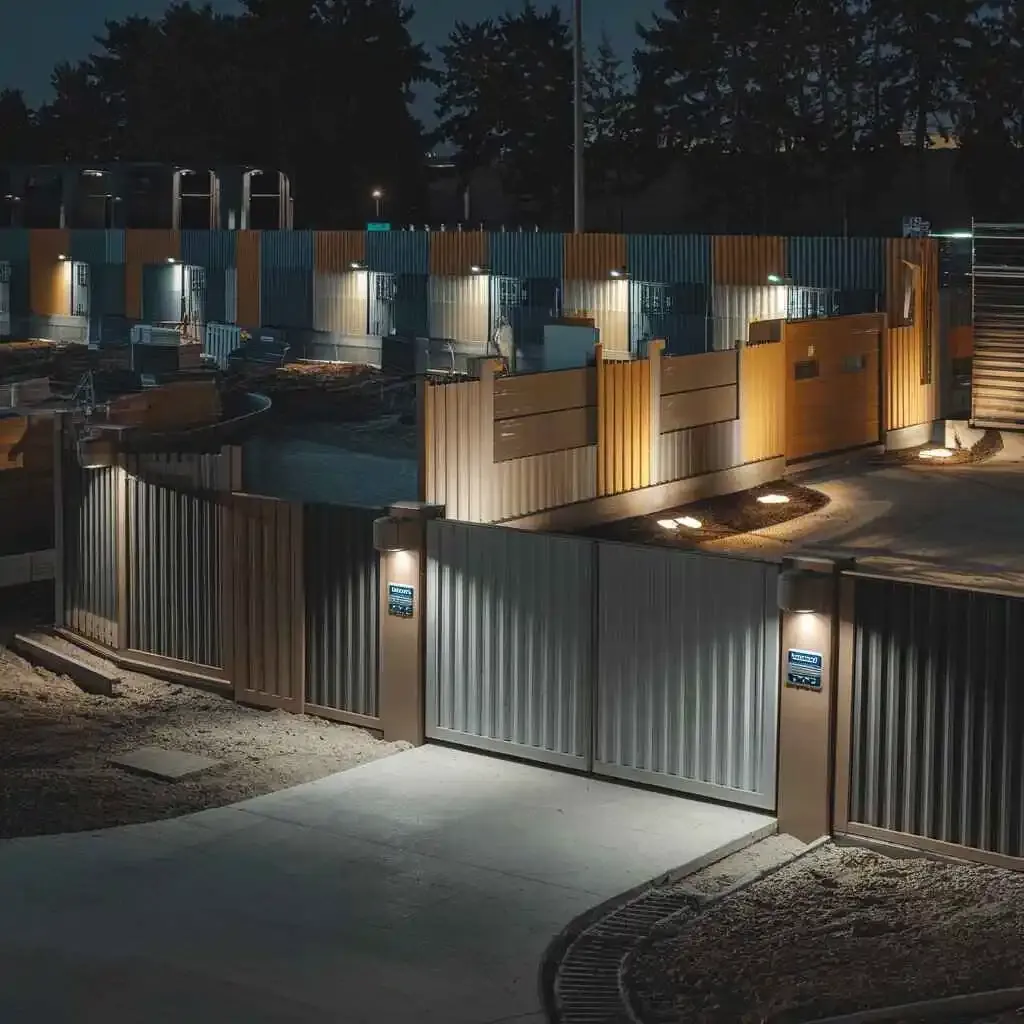
Take this tip from the experts: Rather than flooding your site with light, create strategic lighting zones:
- Motion-activated lights in less-trafficked areas
- Constant illumination at entry points and high-value storage
- Timer-controlled lighting that mimics activity patterns
- Emergency lighting backup systems
Implement Modern Access Control
The days of simple sign-in sheets are over. Modern access control needs to be both secure and practical. Here's what works:
Digital Access Systems
- Electronic ID badges with photo identification
- Biometric scanners for high-security areas
- Automated gate systems
- Real-time personnel tracking
Whatever system you choose, make sure it's weather-resistant and can handle construction site conditions. Some expensive systems fail simply because they weren't designed for dusty environments.
Leverage Technology Effectively
Technology can transform your security, but only if it's implemented correctly.
Surveillance Systems
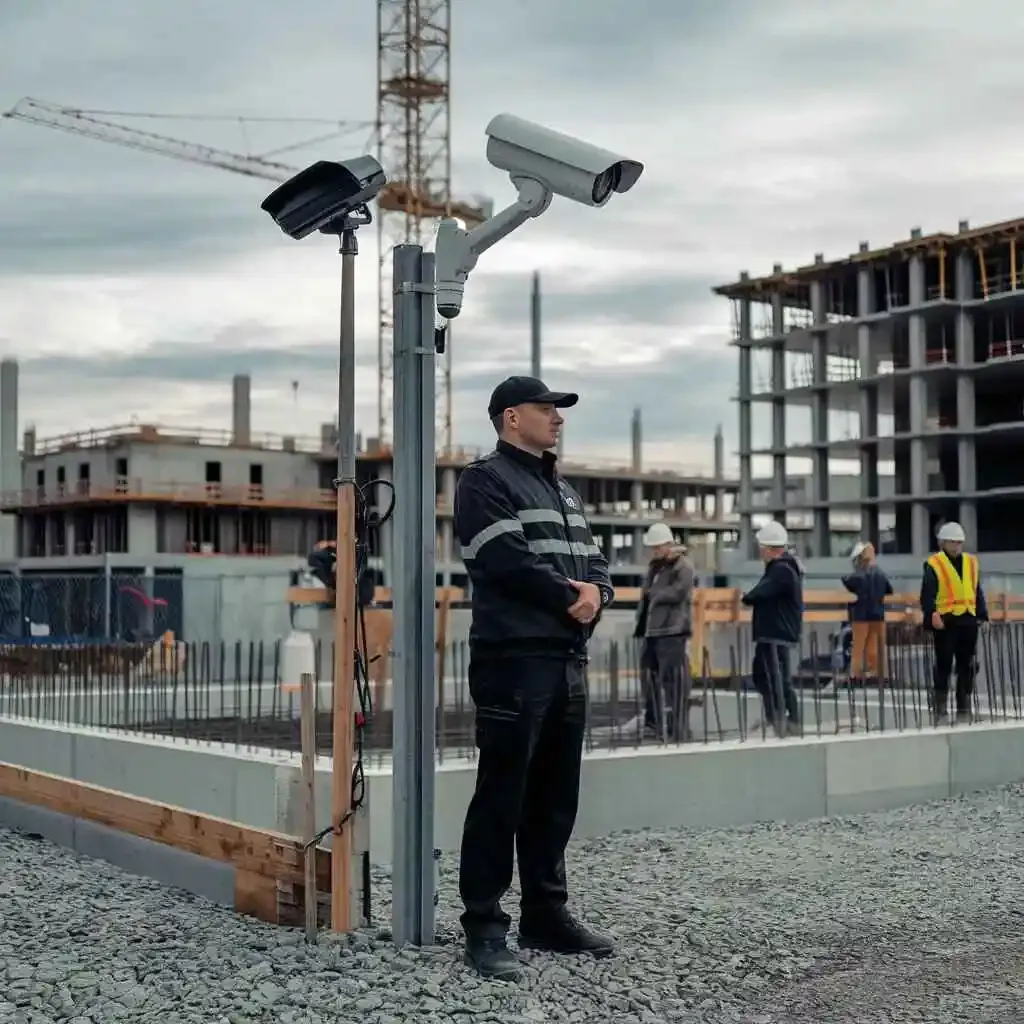
- HD cameras with night vision capabilities
- Motion detection with smart alerts
- Cloud storage for footage
- Mobile monitoring capabilities
Many construction sites reported around the US that they were able to catch more than one incident including theft attempts in one month—simply because they had clear, usable footage from their new camera system.
Equipment Tracking
Implement a multi-layered approach:
- GPS tracking on major equipment
- QR codes for smaller tools
- Regular inventory checks using digital systems
- Automated alerts for unauthorized movement
Train Your Team Properly
This is often overlooked, however, one of the most vital factors in ensuring construction site security. The best security systems in the world won't work if your team doesn't buy in. Here's what you could try—Create a security-conscious culture among your workers and employees:
- Regular security briefings
- Clear reporting procedures
- Reward programs for security awareness
- Regular updates on security incidents and prevention
Emergency Response Planning
This is crucial but often overlooked. You need a plan for when things go wrong—develop clear protocols:
- Step-by-step response procedures
- Emergency contact lists
- Evidence preservation guidelines
- Incident reporting forms
Always tell your clients: to hope for the best, but plan for the worst.
Regular Reviews and Updates
Security isn't a "set it and forget it" situation. The most secure sites around the US have the habit of monthly security reviews—some even bi-weekly. Here are what habits you could foster in your construction site:
- Check all systems and equipment
- Update access lists
- Review incident reports
- Adjust procedures as needed
Remember, criminals adapt their tactics - your security needs to evolve too. Don’t stick with the outdated ones—constantly research the market to find what’s trending.
Create a Layered Security Approach
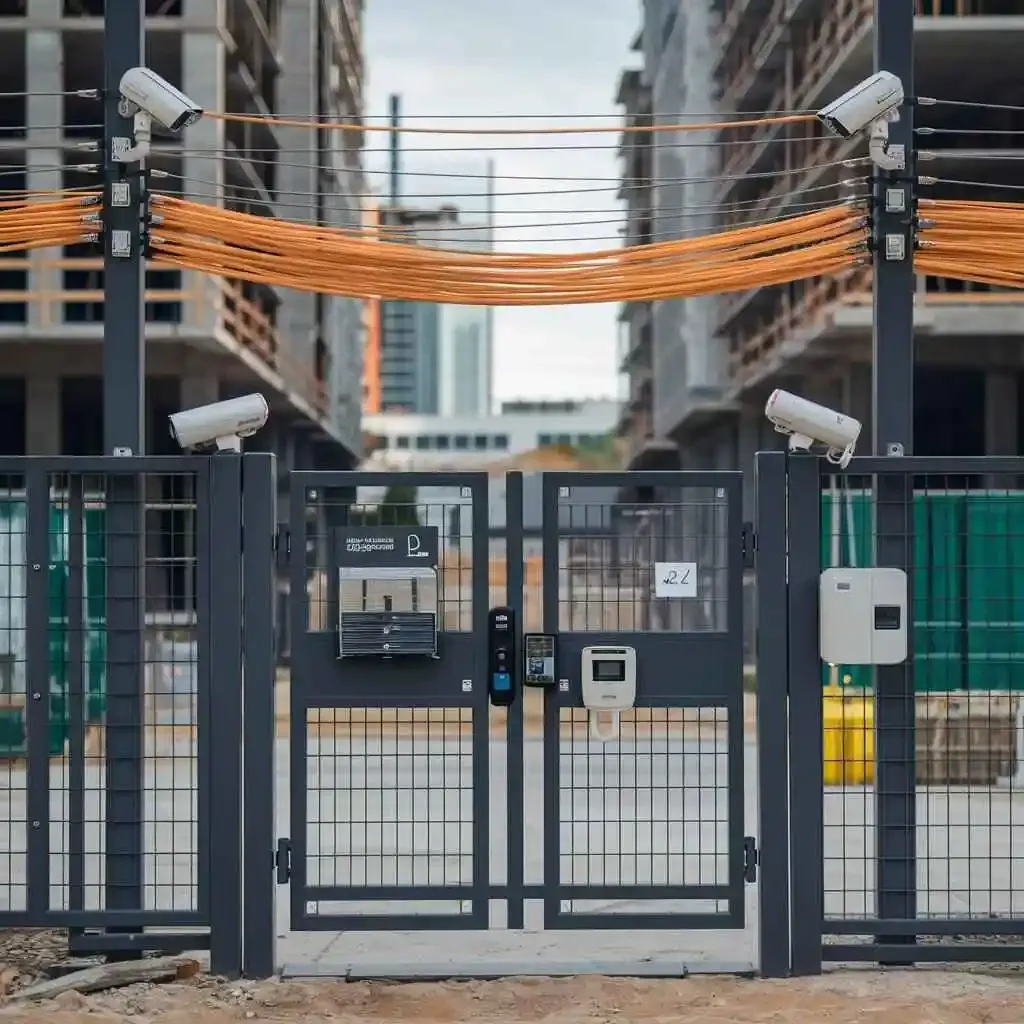
Relying on a single security measure is like leaving your front door unlocked because you have a guard dog. Your security layer should be an integration of “Physical+Digital systems”. Here's how to build effective security layers:
- Combine traditional barriers with smart technology
- Use multiple verification methods at entry points
- Create redundant systems for critical areas
Recently many construction sites have started to implement this method and illustrated perfection with this approach. Some of them integrated their physical fencing with fiber-optic intrusion detection, backed by CCTV and motion sensors. When one system was triggered, the others automatically heightened their sensitivity.
Implement Smart Material Management
Here's another major aspect that often gets overlooked: Many security breaches happen during regular working hours through poor material management. Let me share what should normally kept in check at a construction site work environment:
Organized Storage Systems
- Designate specific storage zones based on value and risk
- Create check-in/check-out procedures for all materials
- Use mobile storage units for high-value items
- Implement scheduling software that makes crew shift planning easy
Enhance Communication Systems
Communication system consistency and enhancements are a must if you plan to keep your construction site safe. In my years of security consulting, I've noticed that poor communication often undermines otherwise good security measures. Here's how to fix that—create clear communication channels:
- Install site-wide PA systems for immediate alerts
- Use encrypted radio communications for security personnel
- Implement a mobile alert system for key personnel
- Establish clear protocols for different types of security incidents
Develop Weather-Resistant Security Measures
Extreme weather can create security vulnerabilities. Based on several field experiences, here's what you should consider maintaining:
- Install weather-protected surveillance equipment
- Create backup power systems for security measures
- Develop specific protocols for severe weather conditions
- Use climate-resistant storage solutions
Overall, try to establish an all-weather security protocol. Especially areas with deliberate hazardous scenarios like Florida, Texas, Louisiana, and some others are hurricane-prone areas.
Moreover, California, Colorado, Arizona, etc are wild-fire prone. So you need to develop a comprehensive weather security protocol in those areas considering such scenarios.
Even if your construction site isn’t in a storm-prone or hurricane-prone area, it’s still essential to have a comprehensive security protocol in place for unexpected weather events and natural disasters.
Implement Psychological Deterrents
Sometimes the appearance of security can be as effective as security itself. Makes sense why psychological deterrents are important. Here's how to use this principle effectively:
- Create visible security presence without revealing all measures
- Use strategic lighting to create the impression of activity
- Install prominently placed but hard-to-reach cameras
- Deploy dummy cameras alongside real ones (carefully and strategically)
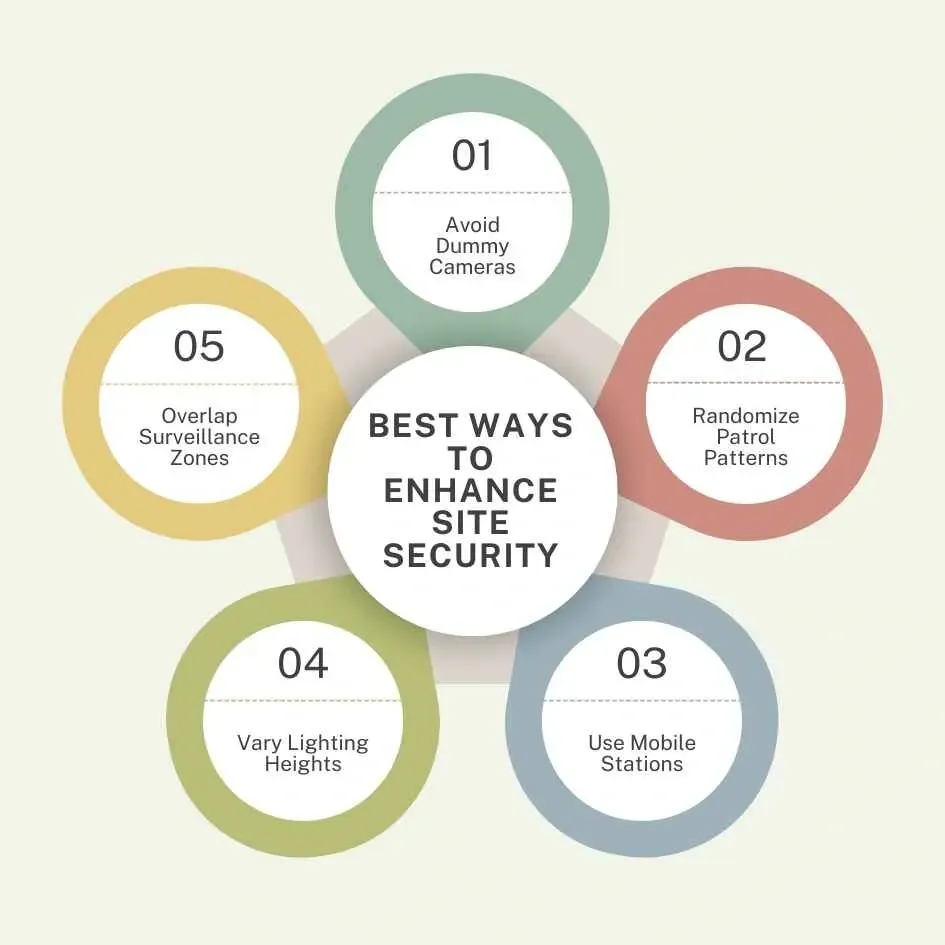
While implementing these specific construction security measures, you must consider these pro tips from the field:
- Never rely on dummy cameras alone - they should complement real security measures
- Rotate security patrol patterns randomly to prevent predictability
- Use mobile security stations that can be relocated based on site needs
- Install security lighting at varying heights to eliminate shadows
- Create overlapping zones of surveillance with different security measures
These steps might require extra costs, time, and labor—but trust me, these are worth it. In the long run, they’ll save you more money than you have invested in ensuring them.
Essential Components of Site Security That Actually Work
Keeping construction sites secure is a big financial deal, with over £400 million in equipment stolen every year. When you add in all the extra costs, like replacing gear, losing business, and higher insurance premiums, the total hit jumps to over £800 million annually. All that means site security isn't just important—it's essential to avoid serious financial losses.
Effective security isn't about throwing money at the latest technology - it's about creating smart, layered protection. Let me share what consistently proves most effective:
Physical Barriers That Make Sense
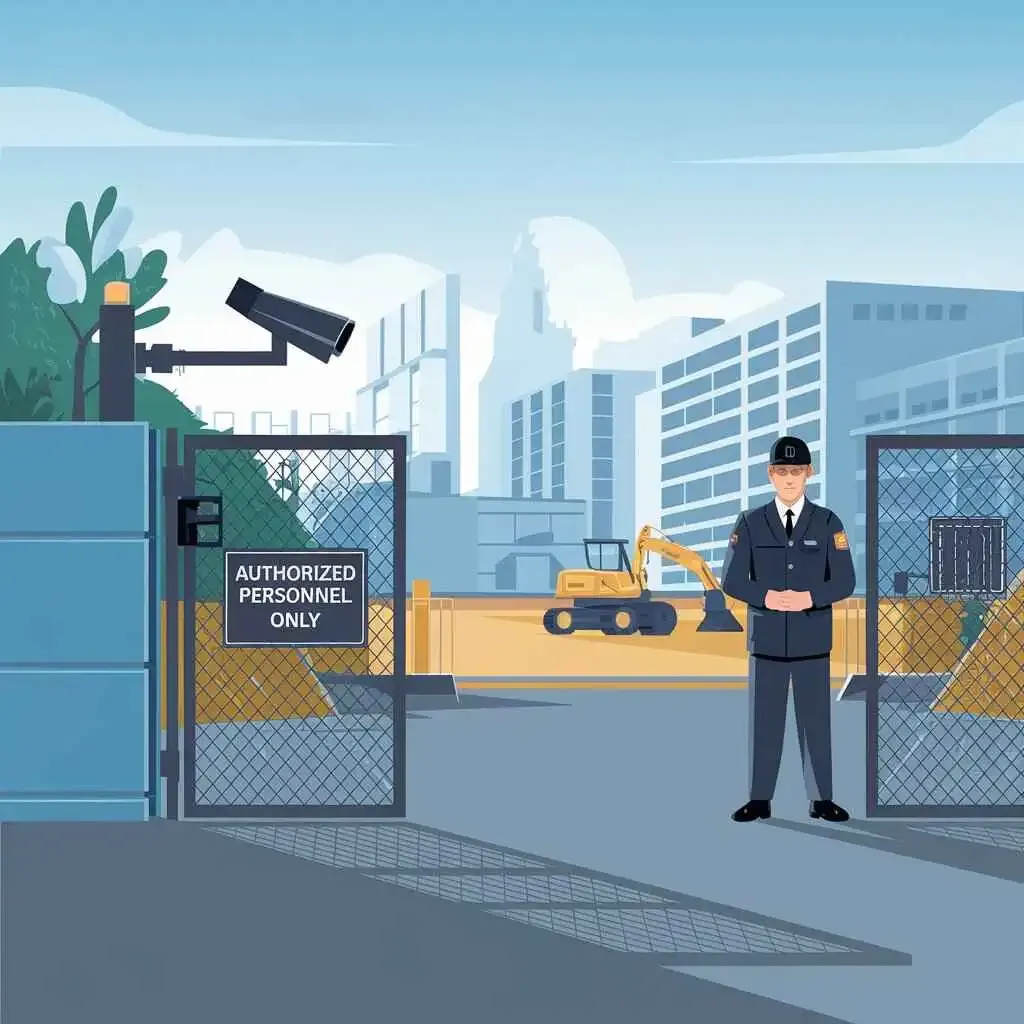
While this might seem obvious, it's not just about putting up any fence - it's about strategic placement. High-quality chain-link fencing (at least 8 feet high) at your perimeter is essential, but pay special attention to your entry points.
That's where most breaches happen. The recommendation is to invest in sturdy gates with commercial-grade locks at every vehicle access point.
Strategic Lighting Done Right
Here's a tip most security consultants won't tell you: flooding your entire site with light isn't always the best approach. Instead, focus on key areas - material storage, equipment parking, and access points. Solar-powered LED lights have become a game-changer here, offering reliable illumination without running expensive power lines across your site.
Smart Signage Placement
Effective signage does more than just fulfill legal requirements. Place warning signs where they'll actually be seen - at eye level and at regular intervals around your perimeter. But here's the key: make sure they clearly state that the site is actively monitored. Studies show this is significantly more effective than generic "No Trespassing" signs.
Similar Read: Tips for Effective Construction Crew Management
Types of Construction Site Security
Yes, we have given you lots of options and loads of solutions. So do you implement all of them? NO. Effective security isn't about implementing every available option - it's about choosing the right combination of measures that work together.
To do so, you need to have a clear understanding of all types of construction security.
Risk Assessment: Your Foundation for Success
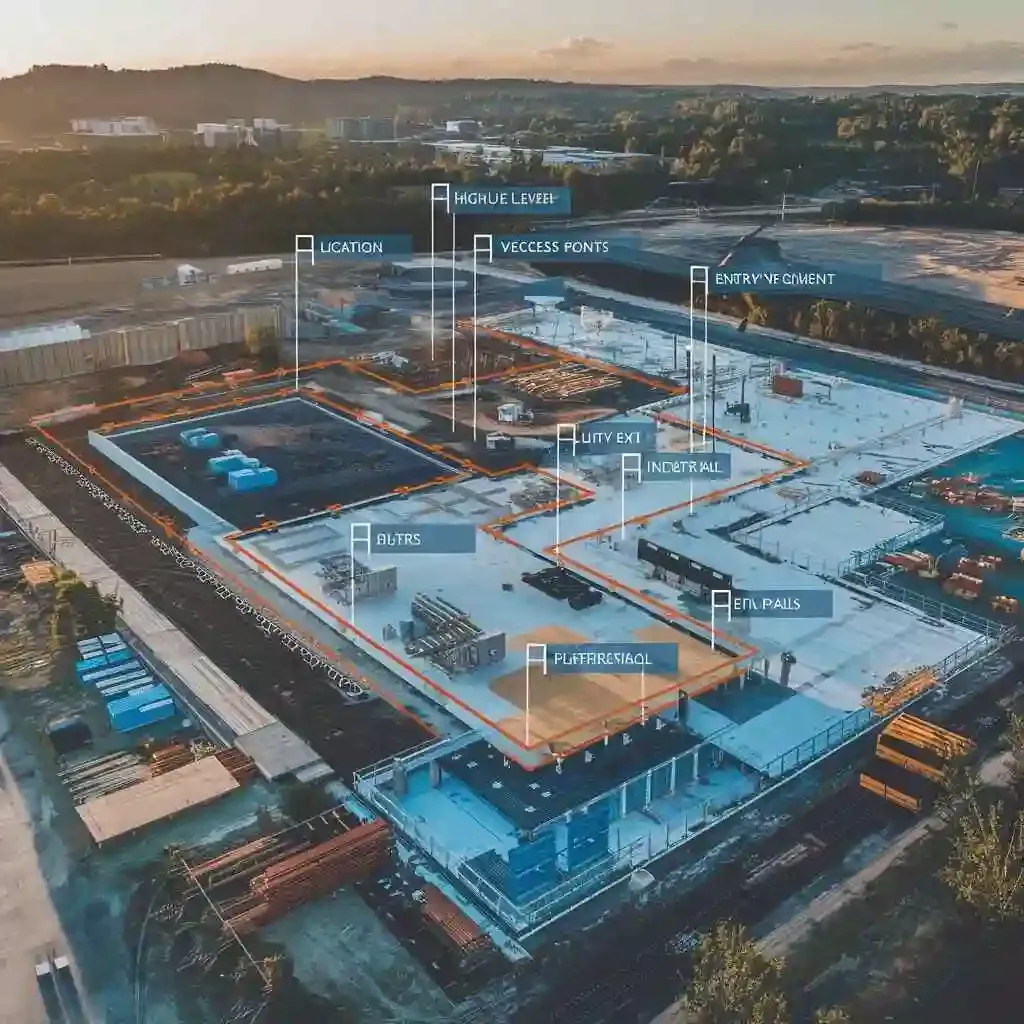
Before investing in any security measures, you need to know exactly what you're protecting against. Many sites waste resources on unnecessary security while leaving critical vulnerabilities exposed. A proper risk assessment involves:
Looking at your site's unique characteristics - location, layout, and access points all play crucial roles in determining your security needs. For instance, a downtown construction project faces very different risks than one in an industrial park.
Evaluating your specific vulnerabilities - this means identifying not just obvious targets like equipment storage, but also less apparent risks like utility access points that thieves might exploit.
Access Control: More Than Just Checking IDs
Modern access control has evolved significantly, and the modern security industry has seen it make a real difference when implemented correctly. The key is integration - your access control system should work seamlessly with other security measures. The most effective systems integrate:
- Connect smart turnstiles with digital credentials
- Track who's on site in real-time
- Automatically log entry and exit times
- Integrate with construction timesheet software
Here's what's interesting: the best systems aren't necessarily the most expensive ones. They're the ones that workers can actually use without creating bottlenecks at entry points.
Physical Barriers: Getting the Basics Right
Let's talk about fencing and locks - not the most exciting topic, but I've seen proper physical barriers prevent countless theft attempts. The trick is thinking beyond the basics:
Strategic fence placement is vital. It's not just about surrounding your site - it's about creating secure zones within it. Many construction sites effectively use temporary fencing to create secure compounds for high-value materials and equipment.
Electronic locks have changed the game entirely. The ability to change access codes remotely and track usage patterns has made traditional padlocks obsolete for serious security setups.
Surveillance Systems: Eyes on the Ground
Modern surveillance has come a long way from grainy CCTV footage. Today's most effective systems combine:
- High-resolution cameras with night vision capabilities
- Motion-activated recording to capture crucial moments
- Remote monitoring by trained security professionals
- AI-powered analytics to detect unusual activity
I've seen these systems pay for themselves many times over, not just in preventing theft, but in providing valuable site management insights too.
Lighting: A Strategic Approach to Site Illumination
Lighting is often undervalued until something goes wrong. I've investigated numerous theft incidents where poor lighting was the weak link. Here's what actually works:
Strategic positioning matters more than raw brightness. Focus on:
- Entry and exit points
- Equipment storage areas
- Material staging zones
- Blind spots and potential hiding places
A tip by several of my construction site clients: Rather than flooding the entire site with light, use motion-activated fixtures in less-trafficked areas. This not only saves on energy costs but also draws immediate attention to movement after hours.
Security Personnel: Making Human Presence Count
Let me be candid about security guards - they can be either your strongest asset or your weakest link. Success on any project depends entirely on how you utilize them:
The most effective approach I've seen combines:
- Mobile patrols rather than static posts
- Regular but unpredictable patrol patterns
- Integration with electronic security systems
- Clear protocols for different situations
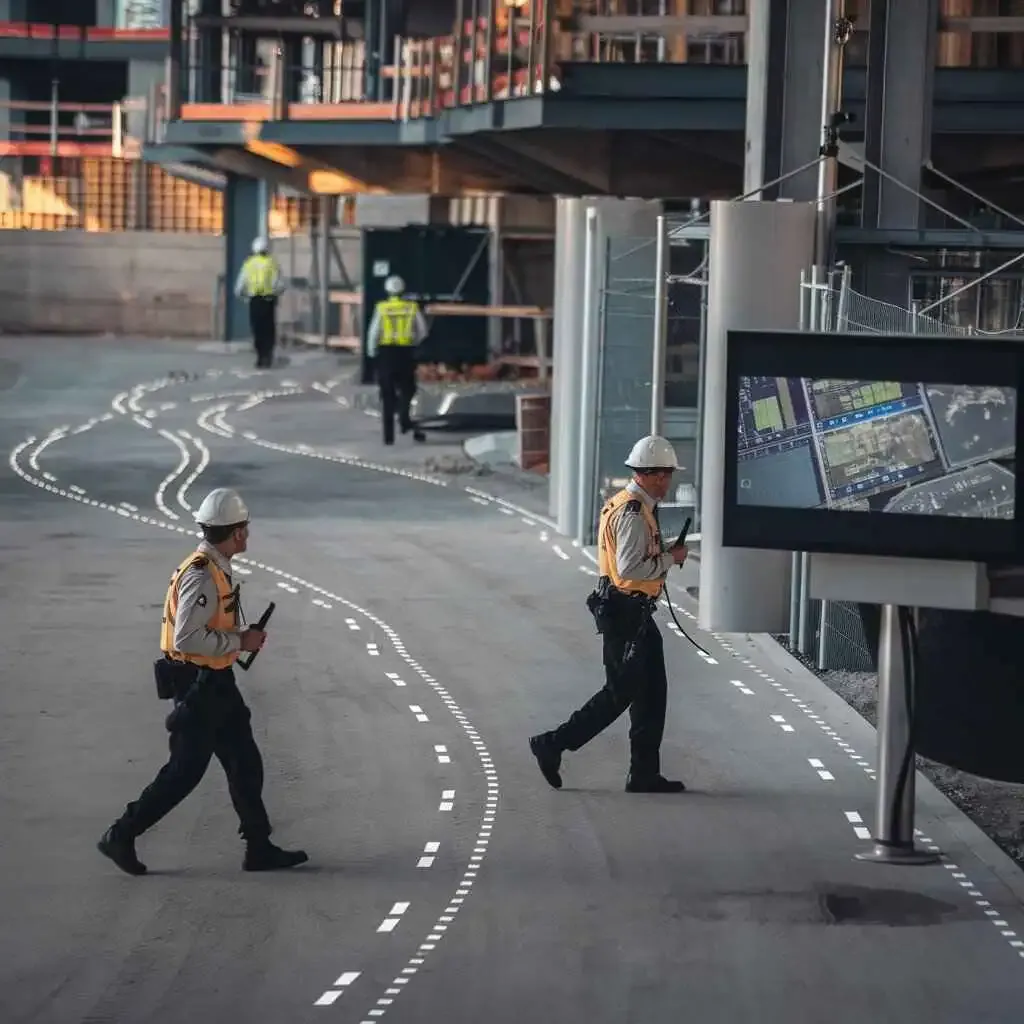
Here's something most people don't consider: Your guards should be part of your broader security strategy, not just a standalone solution. It’s seen sites where guards effectively coordinate with remote monitoring teams, creating a much more robust security presence.
Video Monitoring: Beyond Basic Surveillance
Modern video monitoring has evolved dramatically, and the world has witnessed it transform site security when implemented correctly. Here's what makes the difference:
Real-Time Response Capabilities
The best systems don't just record - they react. This means:
- Immediate alerts to suspicious activity
- Two-way audio communication capabilities
- Direct links to law enforcement
- Mobile app integration for site managers
Analytics That Matter
Modern AI-powered analytics can:
- Distinguish between legitimate workers and intruders
- Detect unusual patterns of movement
- Identify potential security breaches before they happen
- Track and report security incidents for analysis
Equipment Tracking and Management
This is an area where we’ve seen dramatic improvements in recent years. Modern tracking systems have become game-changers for site security:
Smart Inventory Management
Gone are the days of manual checklists. Today's most effective systems use:
- RFID tags for automated tracking
- GPS monitoring for major equipment
- Digital check-out systems for tools
- Real-time location monitoring
But before you start location monitoring, don’t forget to check out GPS tracking laws by state.
Here's a practical tip: The most successful sites mark their equipment in multiple locations, including some hidden spots. This makes stolen items much harder to resell and easier to recover.
Alarm Systems: Making Them Work For You
Drawing from real-world experience, I can tell you that not all alarm systems are created equal. In experts' opinion– the most effective setups have these characteristics—Layered response protocols:
- Initial deterrent measures (lights, sirens)
- Immediate notification to security personnel
- Automated alerts to law enforcement
- Escalation procedures for different threat levels
One often-overlooked aspect: Your alarm system should be smart enough to distinguish between actual threats and false alarms. A suggestion—you can significantly reduce false alerts by combining motion sensors with video verification.
Zero-Tolerance Security Policies
The most secure sites combine physical measures with strong policies. Here's what works—Clear, Enforceable Guidelines:
- Written security protocols for all personnel
- Specific consequences for violations
- Regular security awareness training
- Incident reporting procedures
The key is consistency in enforcement. I've seen excellent security systems undermined by inconsistent policy enforcement.
Technology has transformed construction site security, but not all high-tech solutions are worth your investment. Here's what I've seen work consistently well:
Surveillance That Makes Sense
Modern camera systems have come a long way, but here's what really matters: coverage of vulnerable areas and image quality that can actually help identify intruders.
Don't waste money on dozens of cameras—focus on key areas like entry points, material storage, and equipment zones. Make sure your system includes infrared capability for night monitoring - this has proven invaluable in numerous cases.
Motion Detection That Works
The key to motion detection is reducing false alarms while maintaining sensitivity. I recommend combining motion sensors with video verification. This means when a sensor is triggered, someone can immediately check the camera feed to verify the threat.
Furthermore, this approach will reduce false alarms by over 80% on sites.
Remote Monitoring Worth Paying
For Here's what separates effective remote monitoring from a waste of money: response protocols. The best systems don't just record activity - they enable immediate response. This means direct communication capabilities with local law enforcement and the ability to trigger on-site deterrents like lights and sirens.
Choosing Security That Fits Your Site
I can tell you that choosing the right security approach isn't one-size-fits-all. Here's how to make smart choices for your specific situation:
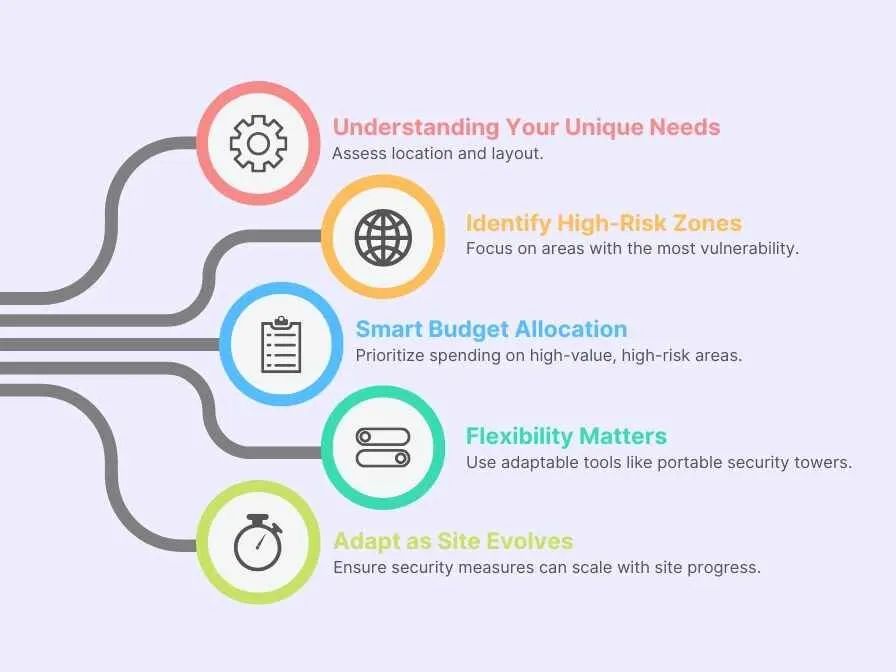
Understanding Your Unique Needs
Start by assessing what you're actually protecting. A high-rise construction in an urban area faces different challenges than a sprawling residential development in the suburbs.
Also, two similarly sized projects might require completely different security approaches simply because of their locations and site layouts.
Smart Budget Allocation
Here's a practical tip: Don't try to protect everything equally. Identify your most vulnerable and valuable assets, and focus your budget there first. A lot of construction sites’ management wastes money on sophisticated systems for low-risk areas while leaving critical areas inadequately protected.
Flexibility Matters
Construction sites are dynamic environments - your security needs to be able to adapt. Look for systems and providers that can scale up or down as your project progresses. Using portable security towers that could be easily relocated as their site evolved could be a good option in this case.
Bottom Line
Security isn't just about protecting assets - it's about creating an environment where work can proceed safely and efficiently. Good security becomes an asset rather than an obstacle to project success.
Remember, the goal isn't to create an impenetrable fortress—it's to implement practical, effective measures that protect your site while allowing work to continue smoothly. Focus on the basics, build in layers of protection, and always be ready to adapt as your site evolves.
Take it from experts who have seen the consequences of both good and poor security: The time and resources you invest in proper site security will pay for themselves many times over in prevented losses and peace of mind.
Try FieldServicely #1 Field Service Management Software
Try for free - No credit card required!