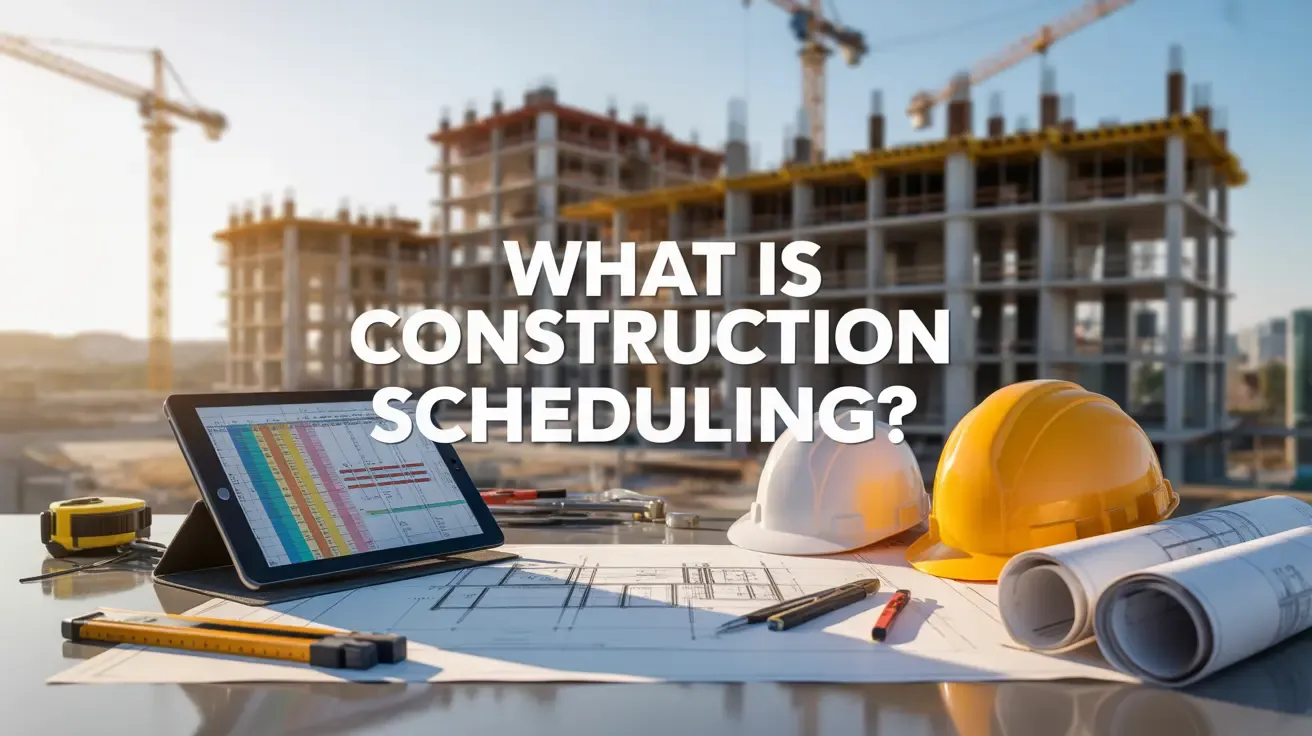
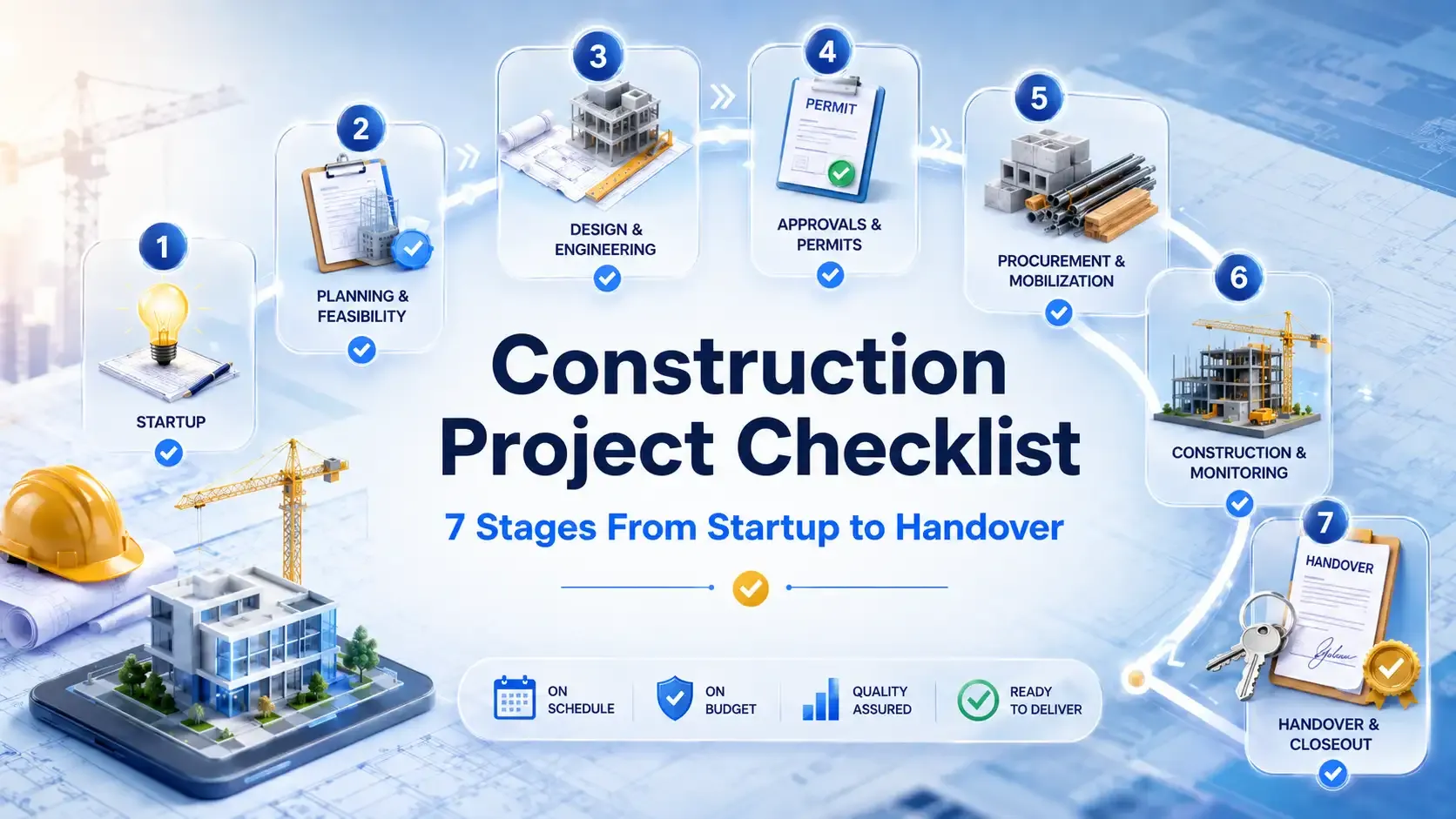
Construction Project Checklist: 7 Stages From Startup to Handover
Updated on 21 May 2026
Jump to
Summary

A construction project checklist helps organize work from planning to final handover.
It keeps scope, permits, safety checks, inspections, and documents easy to track.
Clear task owners reduce confusion, missed work, delays, and rework.
The checklist should cover startup, site prep, execution, quality control, closeout, and handover.
A good template helps teams update status, add notes, and keep project records in one place.
A construction project checklist keeps a build organized from the first plan to the final handover. It helps teams track scope, permits, safety checks, equipment, inspections, documents, and client sign-off without relying on memory.
Most delays do not start with a major failure. They often begin with one missed approval, one late material order, or one task that no one clearly owns. A clear construction checklist reduces those gaps by turning each stage into simple, trackable steps.
In this blog, I will discuss what a construction project management checklist should include and how to use it across each project stage. I will also share a ready-to-use construction project checklist template for planning, execution, closeout, and handover.
What Is a Construction Project Checklist?
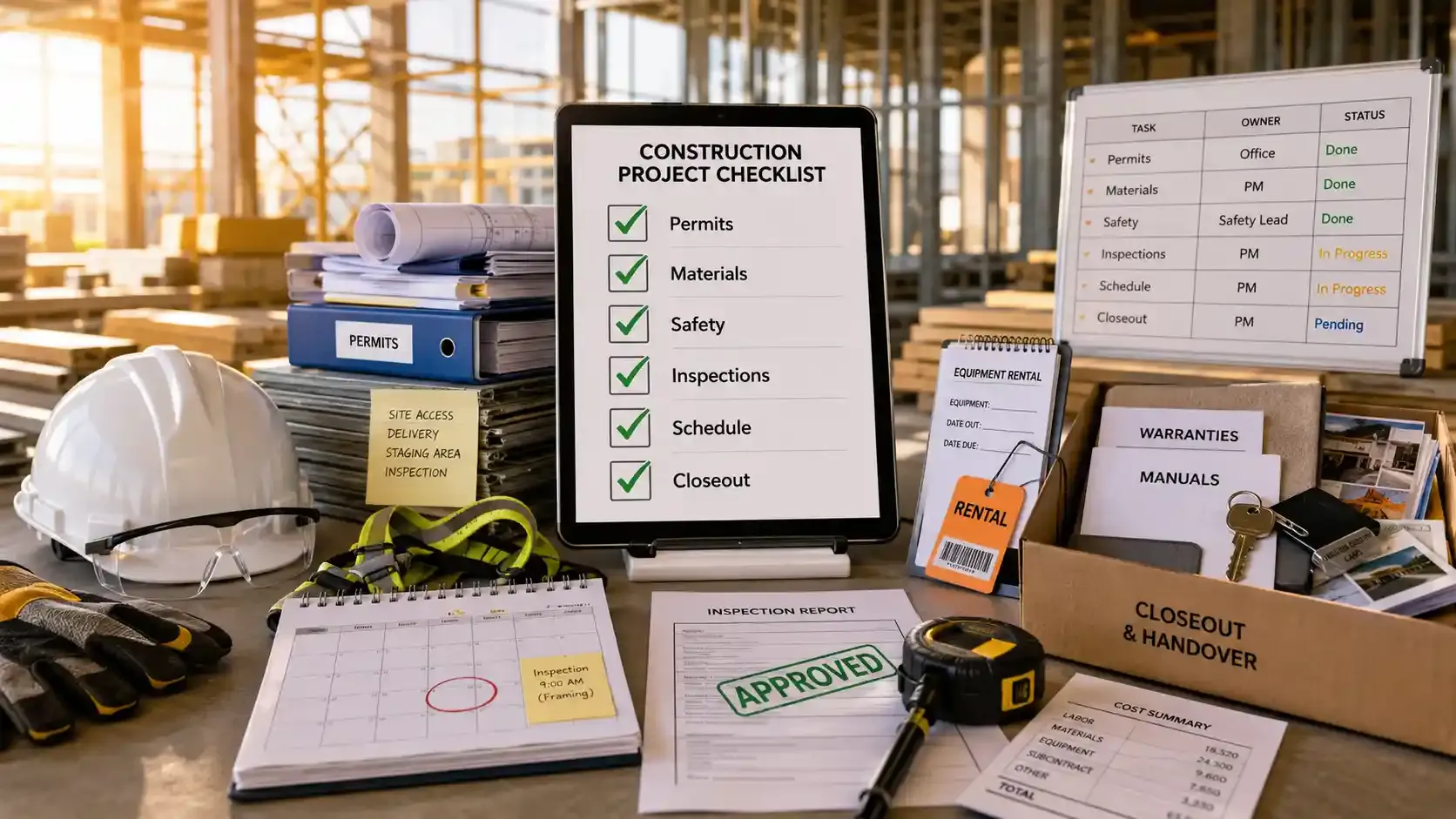
A construction project checklist is a step-by-step task list that helps you control a job from planning to final handover. It shows what needs to be done, who owns it, and what must be checked before the next stage starts.
Contractors, project managers, site supervisors, inspectors, and owners use it. They track scope, permits, materials, safety checks, equipment, inspections, punch lists, and documents. A good construction checklist keeps small misses from turning into delays, rework, or payment disputes.
But why does it matter so much?
That’s because a study found 66 linked factors behind construction cost overruns, including scope changes, poor planning, delays, and weak coordination.
That said, a checklist is not the same as a schedule. A schedule tells you when work should happen. Whereas a construction planning checklist tells you what must be ready before that work happens.
So, every construction project checklist template should match the project type. A renovation, road job, and commercial build do not need the same construction project management checklist PDF.
Why You Need a Construction Project Checklist?
Fewer Missed Tasks
Most project delays start with something small that nobody noticed in time.
Maybe the inspection was not booked. Maybe the plumber came before the wall was ready. Maybe the material was “supposed to arrive today,” but nobody confirmed it.
A checklist catches those loose ends early. It gives the team a place to check permits, materials, crews, tools, site access, and approvals before the mistake becomes expensive.
Better Team Accountability
A good checklist makes responsibility less personal and more practical. It also makes sure every task has a name beside it.
The site supervisor owns the daily walk. The office team tracks permits. The project manager reviews change orders. The crew lead confirms the work area is ready.
That simple clarity saves a lot of calls. It also stops that classic jobsite sentence: “I thought someone else handled it.”
Better Safety Compliance
Everyone knows they need PPE, safe ladders, fall protection, clear access, and working tools. But busy mornings make people skip obvious checks. That is where a checklist helps.
The risk is real, too. OSHA’s 2025 most-cited standards still put fall protection at the top, with ladders, scaffolding, fall protection training, and eye protection also in the top 10. [Source: OSHA]
BLS also reported 1,032 fatal injuries among construction and extraction workers in 2024, with 370 caused by falls, slips, and trips.
So no, safety checklists are not just boxes. They are quick reminders that stop simple things from becoming serious ones.
Easier Permit and Inspection Tracking
Permits are easy to forget because they do not always feel urgent until they block the work. The crew may be ready, the material may be stacked, and the client may be waiting.
Then someone asks, “Did the permit clear?”
That one question can change the whole day. A checklist keeps the permit name, owner, status, due date, inspection date, and next step visible before the site reaches that point.
Better Control Over Cost and Schedule
Money leaks slowly on construction jobs. A rented machine sits unused. A crew waits two hours. A change happens in the field, but nobody prices it in writing.
A checklist helps you catch those leaks while they are still small. It keeps labor, materials, equipment, change orders, and schedule updates tied to the actual work.
This is equally important for every project size. Big public projects show the same pattern at a larger scale: weak control leads to cost growth, delay, and hard conversations later.
Cleaner Closeout and Handover
The end of a project should feel good. But too often, it turns into a hunt for warranties, manuals, as-built drawings, final invoices, keys, access codes, and punch list photos.
A checklist makes closeout feel less chaotic. It gives every final item a place, from inspection reports to client sign-off.
That is what clients remember. Not just that the work was done, but that the handover felt clean, calm, and complete.
Stop losing tasks between site and office.
Keep checklists, updates, photos, attendance, and reports connected in one field workflow.
7 Stages of Construction Project Checklist
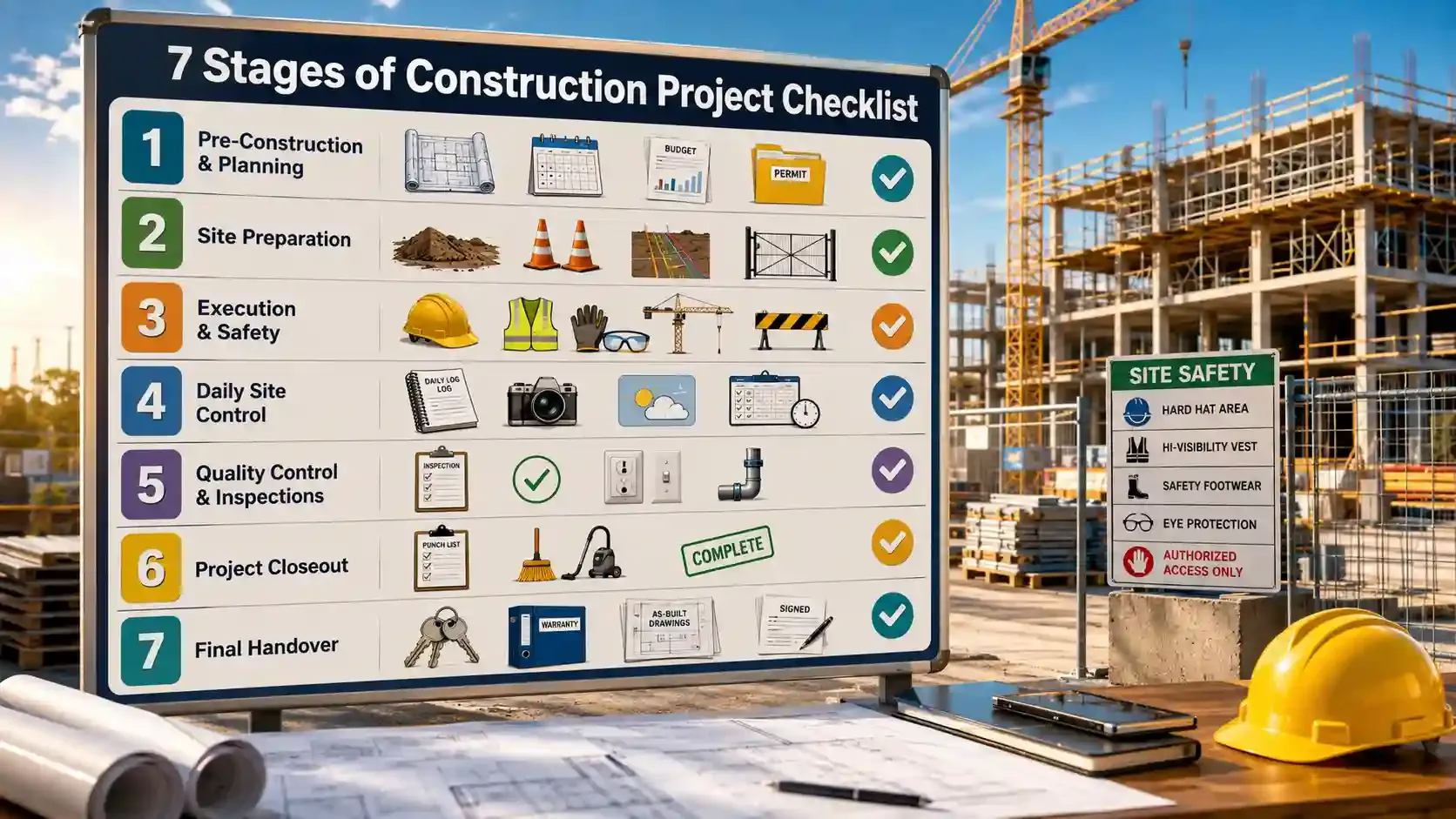
A construction project checklist should follow the full job lifecycle. These seven stages make the checklist easier to use on real projects.
1. Pre-Construction & Planning
Pre-construction is where you make the job clear before work starts. Define the scope, list deliverables, set the timeline, and identify every stakeholder who needs to approve, pay, build, inspect, or sign off.
Next, build the budget with real numbers. Estimate labor, materials, equipment, permits, and overhead, then compare contractor bids before locking in the best fit.
After that, clear the legal side. Get local building permits, zoning approvals, environmental clearances, contracts, change order terms, liability insurance, and workers’ compensation coverage ready before crews arrive.
This early work matters because delays get expensive fast. Forbes reported that skilled labor gaps can extend construction timelines by about two months.
2. Site Preparation
Site preparation turns a space into a safe work area. Clear the job site first. Remove debris, secure the perimeter, and make sure only approved workers, vehicles, and visitors can enter.
Next, organize how people and materials will move. Set material storage areas, plan haul routes, set up site access, mark underground utilities, and keep emergency access routes open at all times.
This step matters more than it looks. A study found that poor construction site layout can increase material handling time, create bottlenecks, reduce productivity, and raise project costs.
After that, handle the support work. Arrange waste disposal, confirm temporary utilities like power and water, and install site signage for PPE zones, restricted areas, exits, first aid, and vehicle routes.
3. Execution & Safety
Execution is when the site starts moving for real. So, before the first task begins, check the basics.
Does every crew member have a hard hat, high-vis vest, steel-toed boots, gloves, eye protection, and the right fall gear?
Next, look at the equipment before it becomes part of the workday. Are the cranes, forklifts, lifts, ladders, and power tools safe to use? Or is there a warning sign hiding in the maintenance log?
Then set clear boundaries around risky areas. Use fall protection, block open edges, place barriers around live work zones, and keep visitors away from places where they do not need to be.
This stage catches simple risks early. Especially when OSHA says falls caused 389 of 1,034 construction deaths in 2024.
4. Daily Site Control
Daily site control keeps yesterday’s small issue from becoming today’s delay. Start with a quick site walk, remove debris, check ventilation, and make sure the air is safe before crews settle into the workday.
Then look at what actually moves the project.
Who showed up? Which subcontractor is ahead or behind? Are materials being used as planned, or is something disappearing faster than expected?
Next, record what changed. Update daily logs, note weather delays, take photos of issues, and review change order requests while the details are still fresh.
But why we need to do this every day?
Because weather, labor gaps, material use, and site conditions can shift fast. In fact, weather-related delays increased project duration by 25.7% and raised costs by 23.8%.
Know what happened on-site today.
Capture job updates, photos, timesheets, attendance, and progress without chasing every crew.
5. Quality Control & Inspections
Quality control helps you protect the work before it gets hidden.
Start with the bones of the project. Check the foundation, framing, load-bearing parts, and structural details against the approved drawings and engineering notes.
After that, move through the systems. Test outlets and switches, label circuit breakers, place GFCI outlets near water, pressure-test pipes, check water pressure, review heater settings, test HVAC, and make sure ducts stay clear.
Finish with what the client will see and touch. Doors should close well, windows should fit right, glazing should look clean, paint should feel even, and specialty assemblies should work as promised.
6. Project Closeout
Project closeout is the part that decides how the client remembers the whole job. So this stage needs a sharp cleanup list.
Walk the site, note every small touch-up, list unfinished work, assign each repair to one owner, and give every punch item a real deadline. Do not leave safety checks for the last minute either. Fire alarms, smoke detectors, and extinguishers should work before the final inspection, not after someone asks for proof.
Once the fixes are moving, clear the space. Remove tools, leftover materials, waste, and rented equipment so the owner sees a finished project instead of a jobsite that is slowly packing up.
7. Final Handover
Final handover is the moment the project stops being your site and becomes the client’s space.
Walk the client through the finished work first. Confirm the punch list is closed, explain key systems, share utility details, and get written sign-off while everything is fresh.
Then hand over the records that keep the building usable after your crew leaves. Gather as-built drawings, warranties, equipment manuals, maintenance guides, inspection certificates, keys, and access codes in one clean package.
Finally, archive all project records. A clean handover protects both the client and your team later.
Manage every project stage in one place.
From startup to handover, FieldServicely helps track jobs, crews, updates, and proof of work.
Construction Project Management Checklist
- Define the project scope, deliverables, timeline, and key stakeholders before work starts.
- Set the budget, add contingency, and compare actual costs against planned costs.
- Assign task owners, deadlines, and approval points for each major stage.
- Create a communication plan so the office, site team, subcontractors, and client stay aligned.
- Plan procurement, then track materials, equipment, deliveries, and rental dates.
- Track permits, inspections, change orders, daily logs, and progress updates in one place.
- Store reports, photos, contracts, invoices, and closeout documents for easy review later.
Construction Project Startup Checklist
- Review drawings, project specs, scope, budget, contracts, and insurance before the first site activity.
- Secure permits, approvals, and inspection requirements so the project does not get blocked later.
- Assign project roles for the manager, site supervisor, safety lead, subcontractors, and client contact.
- Confirm subcontractors, labor availability, and start dates before building the work schedule.
- Order long-lead materials early to avoid delays once crews are ready to work.
- Prepare the site safety plan, access points, storage areas, and haul routes before materials arrive.
Construction Project Risk Assessment Checklist
- Identify site hazards, fall risks, electrical risks, equipment risks, and unsafe work zones before work starts.
- Review weather, environmental, site access, and ground condition risks that may affect daily work.
- Check schedule risks, budget risks, material delays, and labor gaps before they slow the project.
- Review subcontractor risks, work dependencies, safety records, and role clarity.
- Confirm liability insurance, workers’ compensation, permits, and emergency coverage.
- Plan emergency response steps for injuries, fire, equipment failure, storms, and site evacuation.
- Assign risk owners and document mitigation steps so every risk has a clear action plan.
Construction Project Closeout Checklist
- Complete the punch list, then fix all incomplete, defective, or disputed work before final approval.
- Schedule final inspections and confirm the project meets code, safety, and contract requirements.
- Remove tools, debris, leftover materials, and temporary site items from the work area.
- Return rented equipment and close any open equipment, material, or supplier records.
- Collect as-built drawings, warranties, manuals, inspection reports, and maintenance documents.
- Submit final invoices and confirm subcontractor, vendor, and supplier payments.
- Archive project files and complete a final project review for lessons learned.
Construction Project Audit Checklist
- Review contracts, scope, change order terms, and approval records before the audit starts.
- Check permit records, inspection reports, code approvals, and closeout documents for missing items.
- Review safety logs, daily site reports, photos, and incident records for clear site history.
- Check material records, delivery notes, equipment logs, and rental records against actual site use.
- Review subcontractor records, work status, payment claims, and approved change orders.
- Compare budget vs actual cost to spot overruns, unpaid work, or weak cost control.
- Confirm quality control records, payment records, warranties, manuals, and final handover files.
Construction Project Handover Checklist
- Complete the final walkthrough and confirm every punch list item is finished before the client signs off.
- Hand over keys, access codes, utility details, and any system access the client needs.
- Provide as-built drawings, warranties, equipment manuals, and maintenance guides in one clean handover file.
- Transfer inspection certificates and obtain the Certificate of Occupancy before the space is used.
Use a project handover checklist that construction teams can follow to keep records, approvals, and final documents organized.
Construction Project Checklist Template
Use this construction project checklist template before the job starts, during site work, and at final handover. It gives your team one place to track tasks, owners, due dates, status, and notes. So nothing gets lost between planning, execution, quality checks, closeout, and client sign-off.
Common Construction Checklist Mistakes to Avoid
- Using one generic checklist for every project instead of matching it to the job type, scope, and site conditions.
- Starting work without permits, zoning approvals, inspection dates, or required local clearances.
- Not assigning task owners, which makes crews guess who handles permits, safety checks, materials, and punch list items.
- Missing long-lead materials, equipment bookings, or supplier deadlines before the schedule gets tight.
- Skipping safety logs, daily site notes, inspection records, photos, and change order documentation.
- Waiting too long to create a punch list, then rushing fixes near the final walkthrough.
- Forgetting warranties, manuals, as-built drawings, client sign-off, and final handover records.
How FieldServicely Helps With Construction Checklists
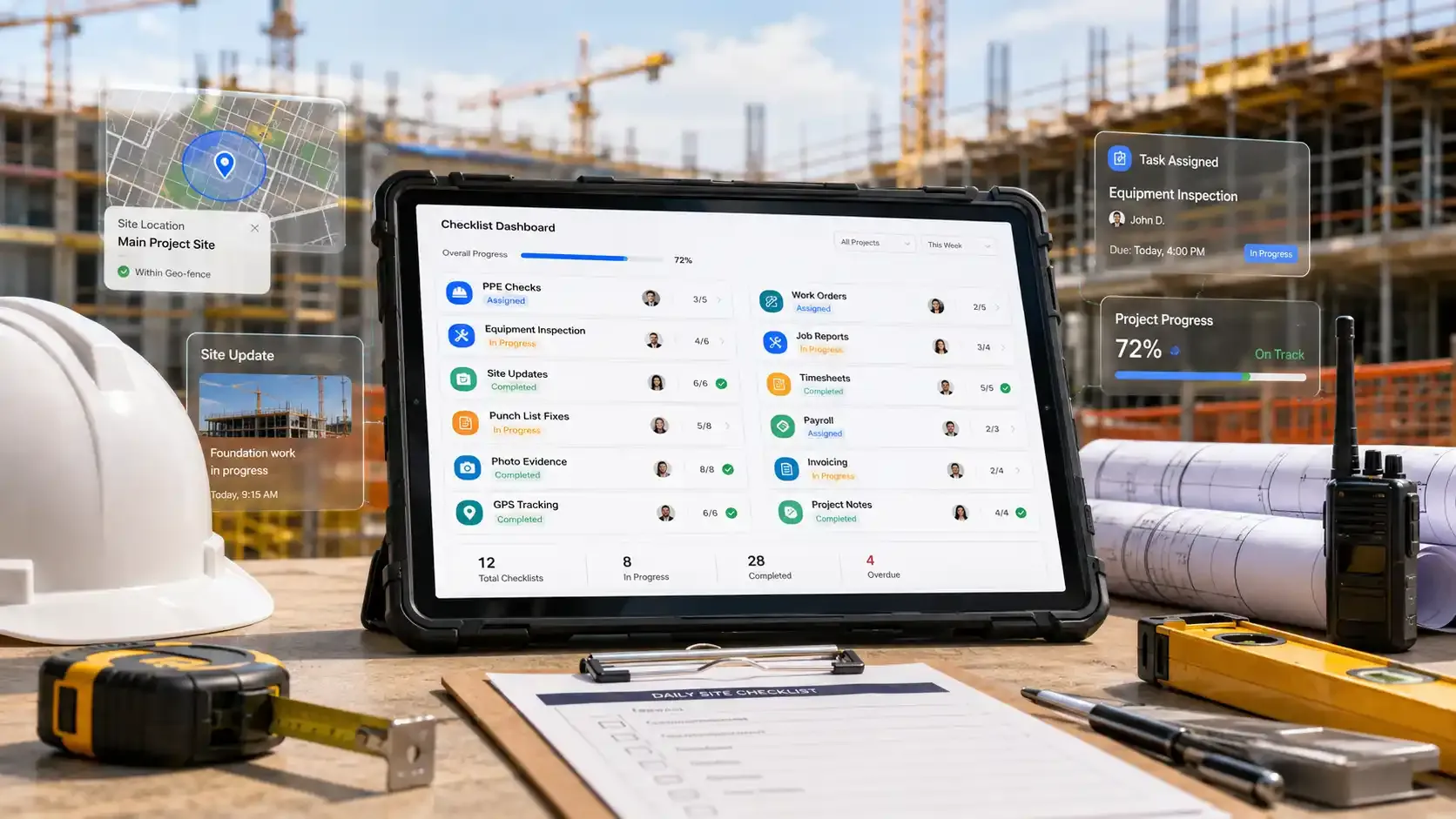
FieldServicely helps you move a construction checklist from paper to real site work. You can assign checklist tasks, track field employee location, and see job progress without chasing updates through calls.
That makes daily control easier. A supervisor can send PPE checks, equipment inspections, site updates, punch list fixes, and follow-ups to the right person before work slips.
FieldServicely also keeps work orders, GPS tracking, geofenced attendance, job reports, photo evidence, timesheets, payroll, invoicing, and project notes in one place. So each checklist item has a clear owner, status, and proof behind it.
Construction teams need better output with tight labor and rising project pressure. So your checklist becomes more than a list. It becomes a live workflow your team can follow every day.
Run checklists as live field workflows.
Assign tasks, track crews, collect proof, manage timesheets, and follow job progress in real time.
Conclusion
A strong construction project checklist keeps every stage clear, from early planning to final handover. It helps the team stay on top of permits, materials, safety checks, inspections, punch lists, documents, and client approval. More importantly, it reduces guessing on busy sites where small misses can turn into delays or extra costs. Update it often, assign clear owners, and keep every project record in one place.
Frequently Asked Questions
What are the 7 stages of a construction project?
These are the 7 stages of a construction project:
- Pre-construction and planning
- Site preparation
- Execution and safety
- Daily site control
- Quality control and inspections
- Project closeout
- Final handover
What are the 5 stages of a construction project?
These are the 5 stages of a construction project:
- Initiation
- Planning
- Execution
- Monitoring
- Control
- Closing
What are the 10 phases of construction?
Here are the 10 phases of construction:
- Concept
- Feasibility
- Design
- Budgeting
- Permitting
- Procurement
- Site preparation
- Construction
- Inspection
- Closeout and handover
What are the 5 C’s of project management?
The 5 C’s of project management are:
- Clarity
- Communication
- Collaboration
- Control
- Completion
In construction, these help teams define the work, share updates, solve issues, control cost and schedule, and finish the project properly.
What should be included in a construction project checklist?
A construction project checklist should include scope, budget, permits, contracts, site preparation, safety checks, equipment checks, daily logs, quality inspections, closeout documents, and handover items.
Who uses a construction project checklist?
Contractors, project managers, site supervisors, builders, subcontractors, inspectors, and property owners use construction project checklists.
What to read next
.webp?2026-04-24T06%3A07%3A09.841Z=&w=3840&q=100)